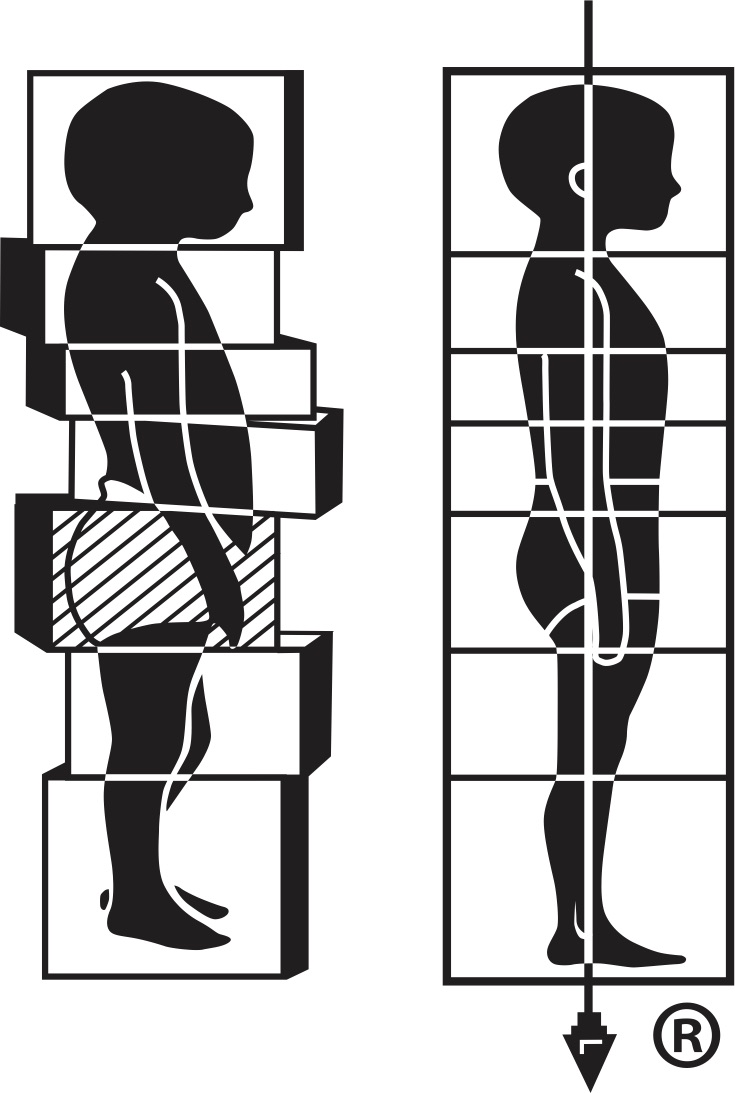
At Center of Integration in Lutz, just north of Tampa, Paige ‘the Rolfer’ Dayvis offers both Osteopathic manual therapy (OMT) and Rolfing (often referred to as Rolfing Structural Integration). These two dynamic modalities can indeed complement each other beautifully, creating a synergistic approach to bodywork that addresses both holistic health and structural alignment. While they are distinct practices with different origins and techniques, their shared goals of improving overall well-being, enhancing mobility, and reducing pain make them a compelling pair. Here’s why they might be considered a “match made in heaven”:
1. Holistic Focus on the Whole Person
- OMT: Rooted in osteopathic medicine, OMT emphasizes treating the whole person—mind, body, and spirit—rather than just isolated symptoms. It uses hands-on techniques to restore balance and promote the body’s natural healing processes.
- Rolfing: Developed by Dr. Ida Rolf, Rolfing focuses on aligning the body within the gravitational field by manipulating the fascia (connective tissue). It also takes a holistic view, recognizing that physical structure influences emotional and mental states.
- Why they work so well together: Both approaches see the body as an interconnected system where imbalances in one area can ripple outward. Combining OMT’s broad systemic focus with Rolfing’s structural precision can address both the functional and foundational aspects of health.
2. Complementary Techniques
- OMT: Practitioners use a variety of hands-on methods, such as stretching, gentle pressure, and joint mobilization to improve musculoskeletal function, circulation, and nervous system health.
- Rolfing: Rolfers work deeply with the fascia through a structured series of sessions (often the “Ten Series”), aiming to release tension, improve posture, and enhance movement efficiency.
- Why they work so well together: OMT can address acute issues or systemic dysfunctions (e.g., digestive or respiratory problems), while Rolfing’s fascial work provides long-term structural support. For example, OMT might relieve immediate joint stiffness, and Rolfing could then reinforce that relief by realigning the fascia to prevent recurrence.
3. Shared Emphasis on Self-Healing
- OMT: A core osteopathic principle is that the body has an innate ability to heal itself when properly aligned and supported.
- Rolfing: Rolfing aims to create a body that functions more efficiently within gravity, reducing strain and allowing natural healing to occur more effectively.
- Why they work so well together: Both practices empower the body to maintain its own balance. OMT can jumpstart healing by removing barriers (like restricted joints or poor circulation), while Rolfing sustains it by optimizing posture and tissue resilience.
4. Pain Management and Mobility
- OMT: Frequently used for conditions like lower back pain, neck pain, and migraines, OMT reduces discomfort by improving joint mobility and relieving muscle tension.
- Rolfing: Known for alleviating chronic pain and enhancing flexibility, Rolfing targets the root causes of discomfort, such as poor posture or fascial restrictions.
- Why they work so well together: Together, they offer a one-two punch for pain relief. OMT can provide quick symptomatic relief, while Rolfing’s deeper structural work helps prevent pain from returning by addressing underlying alignment issues.
5. Enhancing Each Other’s Outcomes
- OMT can prepare the body for Rolfing by loosening tight muscles and joints, making fascial manipulation more effective. For instance, an osteopathic manual practitioner might use visceral manipulation to improve organ mobility, which could enhance a Rolfer’s ability to realign the surrounding fascia.
- Conversely, Rolfing’s focus on long-term structural integration can solidify the benefits of OMT, ensuring that the body maintains the functional improvements gained from manual osteopathic treatment.
6. Historical and Philosophical Ties
- Dr. Ida Rolf, the founder of Rolfing, drew inspiration from osteopathy, among other disciplines. She trained with osteopaths and incorporated their holistic principles into her work, adapting them to focus on fascia and gravity.
- This shared lineage means the two practices speak a similar language, emphasizing the body’s unity and the importance of manual intervention.
What does this look like in reality?
Imagine someone with chronic lower back pain. An osteopathic manual practitioner might use OMT to release tension in the lumbar spine and improve pelvic alignment, providing immediate relief. A Rolfer could then work through the Ten Series to realign the fascia across the entire body—addressing compensatory patterns in the hips, legs, and shoulders—ensuring the back pain doesn’t return due to poor posture elsewhere. Together, they create a comprehensive, lasting solution.
In short, OMT and Rolfing are a match made in heaven because they blend immediate functional restoration with long-term structural harmony, offering a powerful, holistic path to wellness that’s greater than the sum of its parts.
Paige Dayvis is a Licensed Ecclesiastical Holistic Practitioner at Center of Integration located at 21754 State Rd 54 Suite 102 Studio A, Lutz, FL 33549. Send us a message today using the form below to see if holistic services with Paige can help you get back to doing the things you love.
Book your session now using the links below
Initial Visit 90 mins (First Time Clients)
These sessions are 90 minutes to allow for proper intake and a treatment.
90-Minute Treatment (Existing Clients)
These sessions are 90 minutes. This is the ideal length for those going through the initial experience.
60-Minute Treatment (Existing Clients)
These sessions are 60 minutes. Ideal for those who have done the initial experience and are looking for a tune up.
Questions?


PAIGE DAYVIS IS NOT A MEDICAL DOCTOR. PAIGE DAYVIS DOES NOT OFFER MEDICAL ADVICE OR TREATMENT. THIS IS A MANUAL THERAPY ONLY.
 Get back to doing the things you love