Rolfing, also known as Structural Integration, can aid in stroke recovery in several ways by focusing on the body’s connective tissue, or fascia:
- When working with a Certified Rolfer, your therapist will work to release tension in the fascia, which can help improve the range of motion, flexibility, and overall mobility. After a stroke, where one might experience paralysis, weakness, or stiffness on one side of the body, this can be particularly beneficial. By addressing fascial restrictions, Rolfing can help in realigning and balancing the body’s structure, potentially aiding in the recovery of motor skills.
- Chronic pain is a common aftermath of stroke due to muscle stiffness or misalignment. Rolfing’s deep manipulation of the fascia can help in reducing pain by addressing these issues at a structural level. Techniques aim to ease muscle tension and correct misalignments, which can lead to pain reduction.
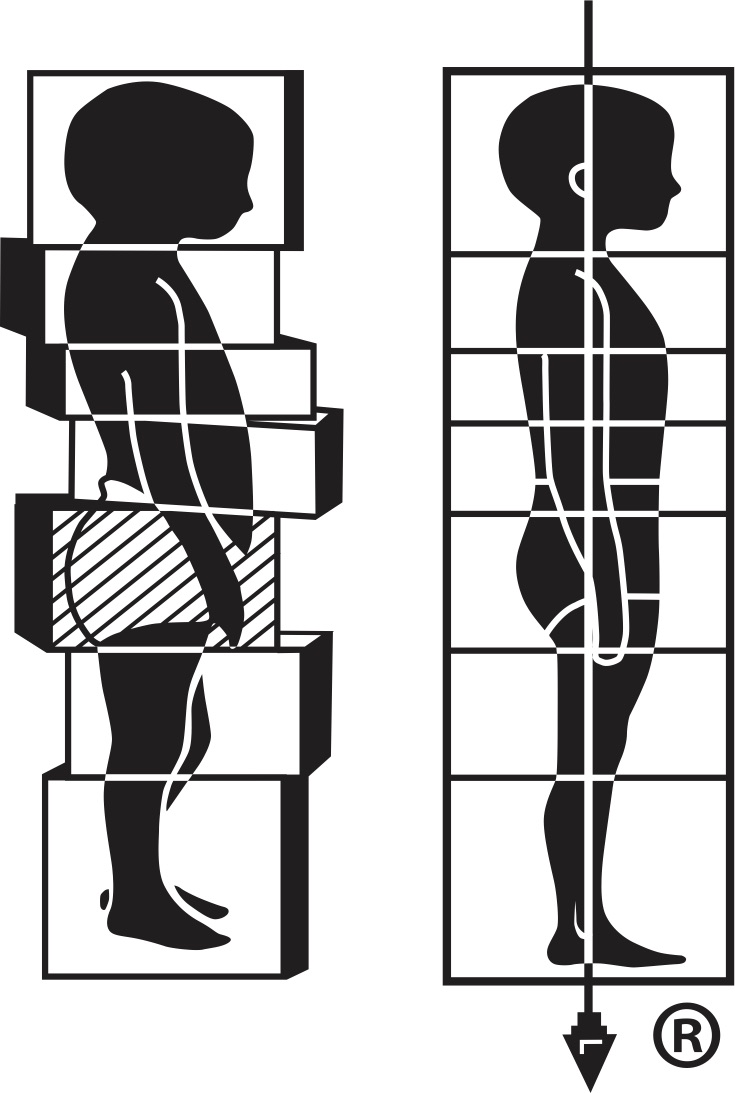
- Post-stroke, individuals often face challenges with posture and balance due to muscle weakness or spasticity. The goal when you’re working with a Rolfer is to bring the body into better alignment with gravity, which can help in improving posture and balance. This realignment might not only aid in physical balance but also in reducing the compensatory movements that could lead to further strain or pain.
- While primarily a physical therapy, Rolfing can indirectly influence emotional health by improving the physical state, which in turn can affect mood and emotional well-being. The process of receiving Rolfing might also provide a therapeutic touch aspect, which can be soothing and comforting, potentially mitigating some of the emotional distress that comes with stroke recovery.
- Rolfing involves movement education alongside manual therapy, which can help stroke survivors in re-learning or refining their motor patterns. This aspect of Rolfing can be pivotal in stroke recovery, where sensory-motor functions are often compromised. By working with the body’s movement and structure, it can aid by enhancing sensory awareness and motor control.
Rolfing should ideally be part of a comprehensive rehabilitation program, including physical, occupational, and speech therapies, rather than a standalone treatment.
Before starting Rolfing post-stroke, consultation with healthcare providers is crucial to ensure it complements other recovery strategies.
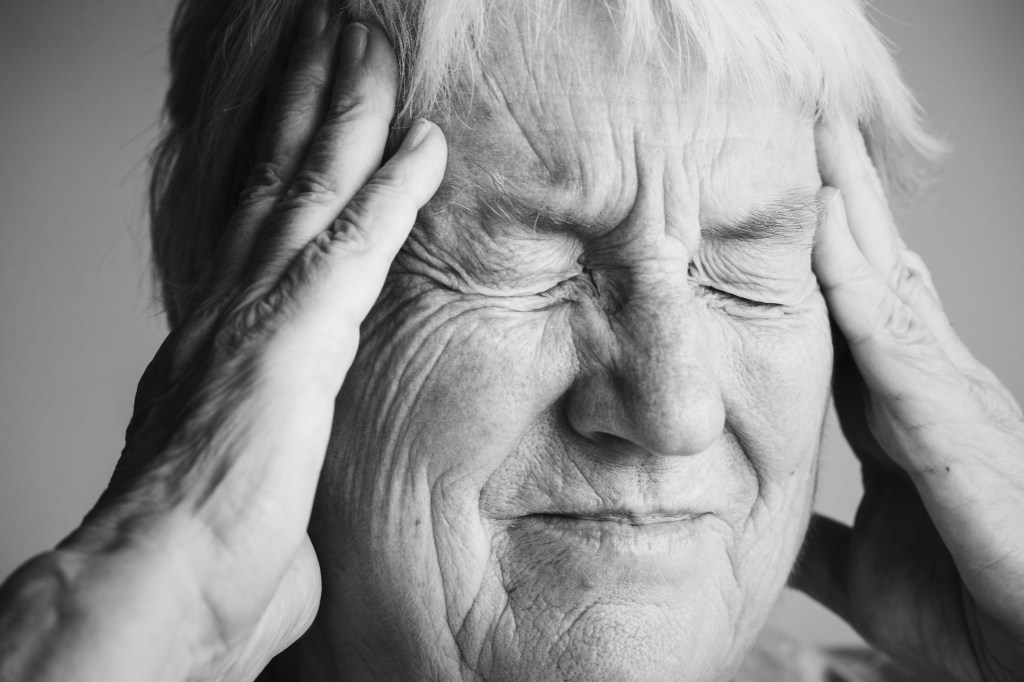
Image by rawpixel.com on Freepik
Paige ‘the Rolfer’ Dayvis a Certified Rolfer, specializes in Rolfing Structural Integration, and Osteopathic Manual Therapy offering relief and improved mobility for holistic recovery. To book an appointment at Center of Integration in Lutz Florida (Tampa Bay area) please use the links below.
Initial Visit 90 mins (First Time Clients)
These sessions are 90 minutes to allow for proper intake and a treatment.
90-Minute Treatment (Existing Clients)
These sessions are 90 minutes. This is the ideal length for those going through the initial experience.
60-Minute Treatment (Existing Clients)
These sessions are 60 minutes. Ideal for those who have done the initial experience and are looking for a tune up.
Questions?


 Get back to doing the things you love