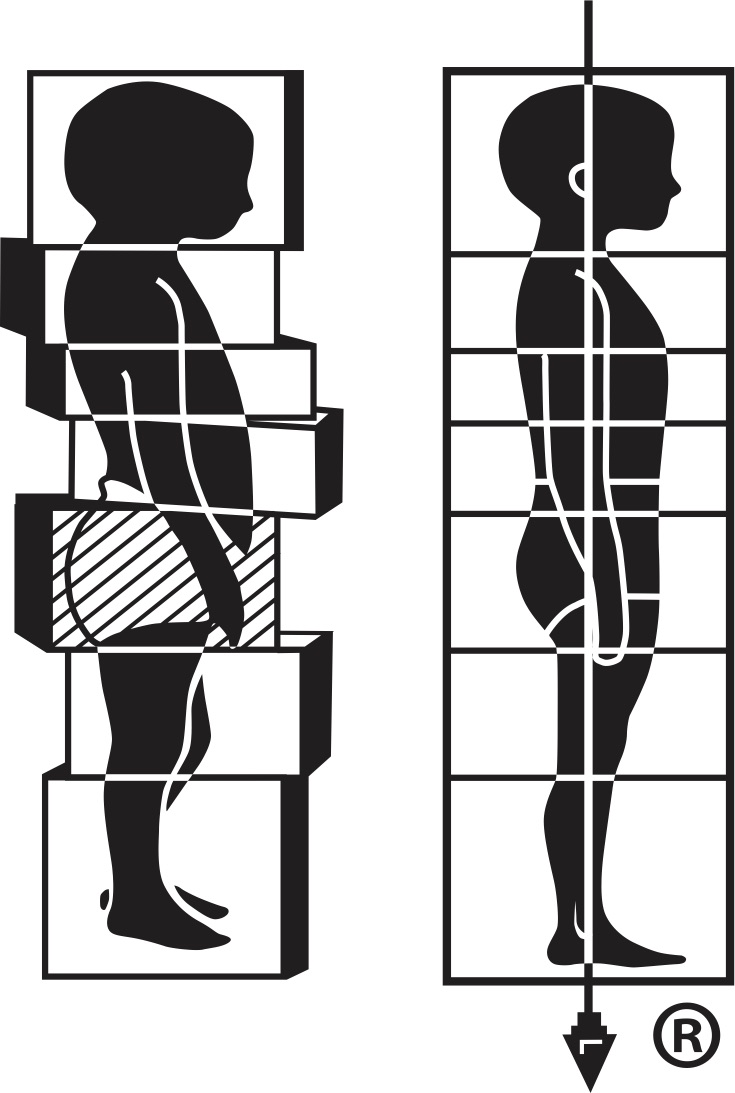
Tag: Rolfing
-

What Your Shoes Are Telling You About Your Body
Your feet are your foundation. Everything above them, your knees, hips, spine and even your shoulders, organizes itself around how your feet meet the ground. If a foot rolls in, the knee tends to follow. The hip adjusts, the pelvis tilts, and the body compensates all the way up. That’s why knee pain, hip tightness…
-
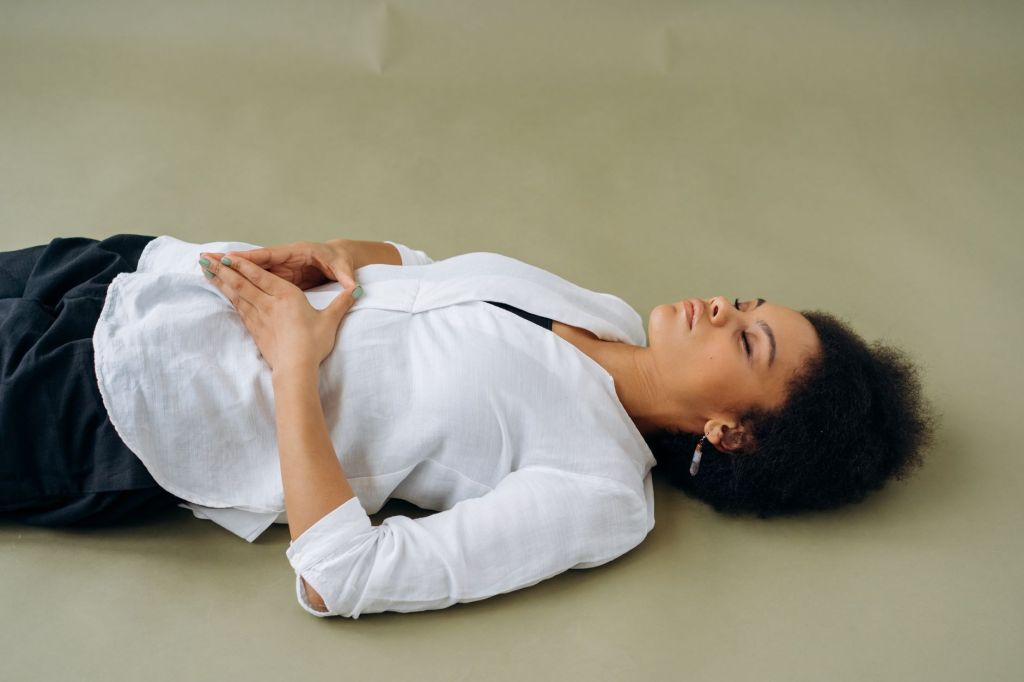
Wellness Wednesday: Five Minutes of Constructive Rest
If your low back feels tired at the end of the day, this might become your new favorite habit. Constructive rest is a simple position used by movement teachers and dancers for decades. You don’t stretch or strain. You just let the floor hold you while your body lets go. Try this five-minute rest: Lie…
-

Does Rolfing Hurt? The Honest Answer
Rolfing became popular in the 1960s and ’70s, and some early practitioners worked with a lot of force. The idea back then was often “no pain, no gain.” Those stories stuck around for decades. The field has changed a great deal since then. Today’s training places much more emphasis on working with the nervous system,…
-
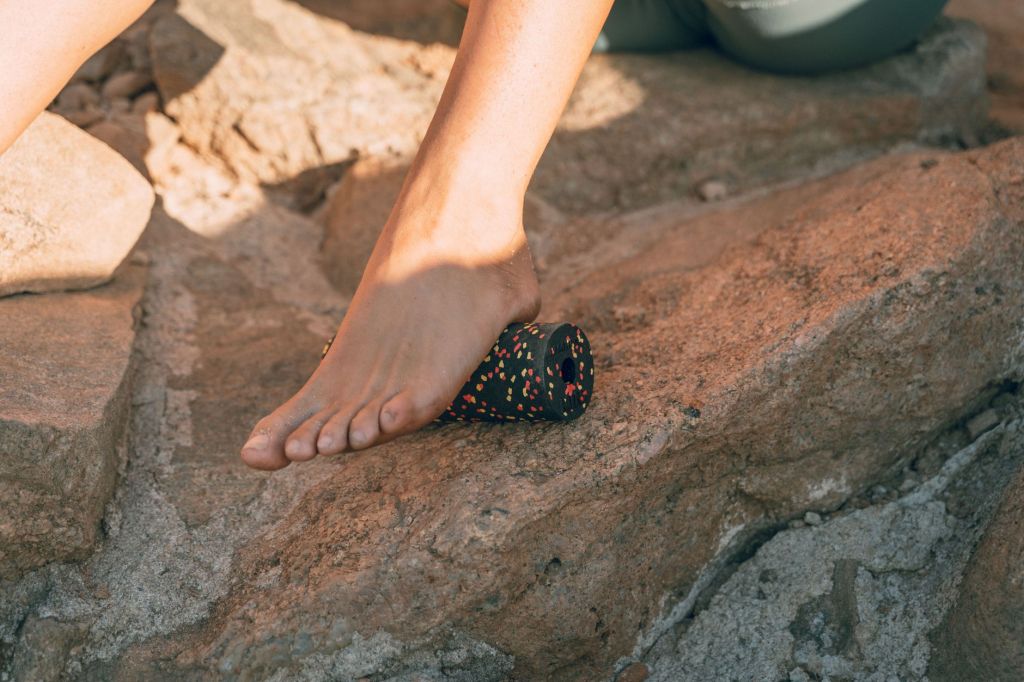
Wellness Wednesday: The Tennis Ball Foot Reset
Your feet are your foundation. When they’re stiff or “asleep” from a day in shoes, the rest of your body has less support, and your knees, hips and back pick up the slack. This simple reset helps your feet feel the ground again. Try this two-minute foot reset: Stand first. Notice how your feet feel on…
-

Posture Isn’t Something You Hold
“Stand up straight.” Most of us heard it as kids, and most of us still try. We pull our shoulders back, lift our chest, tuck our chin. It lasts about thirty seconds. Then we forget, and slump right back. That isn’t a failure of willpower. It’s a sign that we’ve misunderstood what posture is. Good…
-
Wellness Wednesday: Breathe Into Your Back
When we’re stressed or sitting a lot, breathing tends to get shallow and stay in the upper chest. Your ribs are built to move in every direction, including the back and sides. Opening up that “back body” breath can ease tension in your mid-back, shoulders and neck, and it feels calming too. Try this three-minute…
-

Wellness Wednesday: Unclench Your Jaw
Quick check: are your teeth touching right now? Is your tongue pressed against the roof of your mouth? Most of us hold tension in our jaw without noticing, especially when we’re focused, stressed or staring at a screen. That tension doesn’t stay put. It can spread to your neck, shoulders and even your head. Try…
-
Thinking Like Ida Rolf: The Ideas Behind Rolfing
Most people meet Rolfing® Structural Integration as a set of techniques. Dr. Ida P. Rolf saw it first as a way of thinking about the body. This article follows that thinking: the questions she asked, and where they led. Dr. Rolf trained as a scientist, earning a PhD in biological chemistry from Columbia University in…
-
The Pain Loop: How Your Body Gets Stuck in Repetition
Most people think pain is caused by a single event. A bad lift, a long drive, a poor night’s sleep. That’s rarely the full story. What actually keeps pain alive is repetition. Your body isn’t just reacting to one moment; it’s replaying a pattern over and over again until it becomes the default. This is…
-

Osteopathic Manual Therapy and Consciousness: A Conceptual and Physiological Perspective
Introduction Osteopathic Manipulative Treatment (OMT) is a system of hands-on therapeutic techniques developed within the field of osteopathic medicine by Andrew Taylor Still in the late 19th century. The approach emphasizes the interrelationship between structure and function in the human body. Practitioners use manual techniques to support physiological motion of tissues, circulation, and nervous system regulation. In recent…

