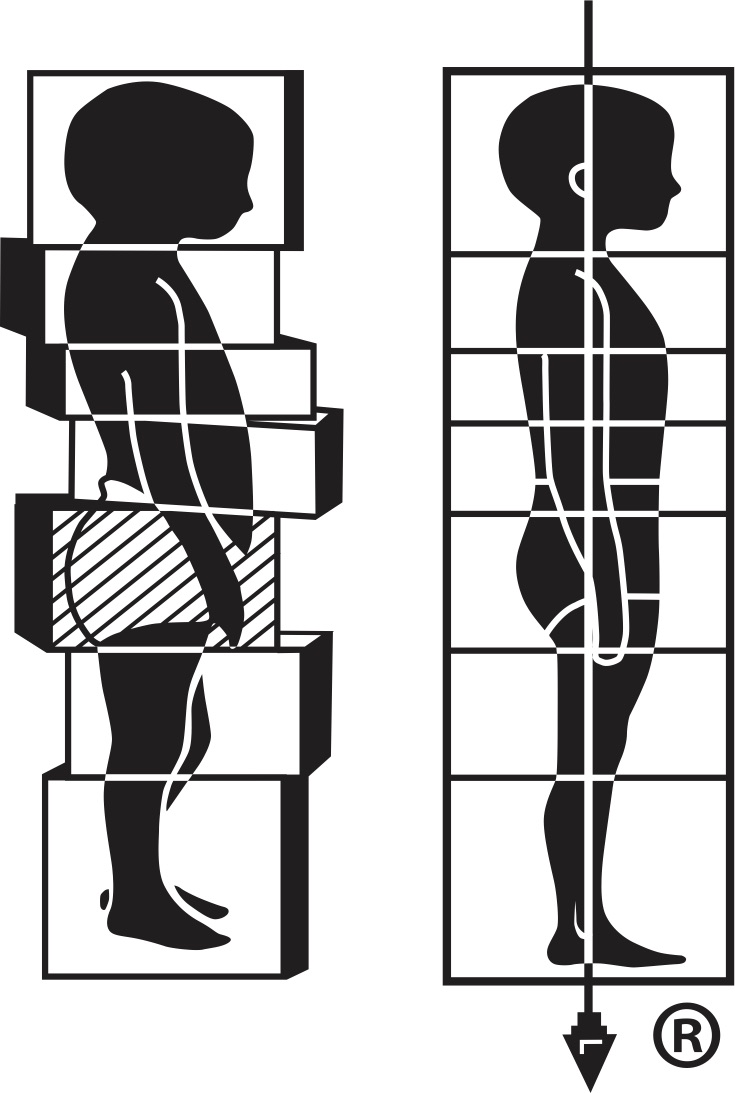

Fascia, a connective tissue enveloping muscles, organs, and other structures, plays a significant role in how the body responds to and stores trauma. Here’s an overview of the connection between fascia and trauma-
Fascial Response to Trauma:
Trauma, whether from physical injuries like accidents or emotional events, can lead to changes in the fascia. When trauma occurs, fascia can become tight, dry, and form adhesions or knots, which are areas where the tissue has become stuck together, potentially restricting movement and causing pain.
There’s a theory, supported by many Rolfers, that fascia may store emotional trauma. The idea is that unresolved emotional experiences can manifest physically in the fascia, leading to chronic pain, stiffness, or other symptoms. This concept suggests that emotional releases can occur during fascial therapies such as Rolfing or work that works to facilitate myofascial release, where patients might relive or release emotions connected to past traumas.
Fascia is rich in nerve endings, including those that communicate with the central nervous system. The tension in fascia from trauma could influence neurological responses, potentially exacerbating stress responses or pain perception. Often leaving clients in a perpetual state of Fight or Flight.
Therapeutic Approaches:
Rolfing focuses on releasing fascial restrictions. By applying sustained pressure into areas of fascia, Certified Rolfers aim to break up adhesions, allowing the tissue to return to a more fluid state, which can alleviate pain and potentially release stored trauma.
Therapies that combine physical release with emotional processing are often advocated. The physical act of releasing fascial tension can be accompanied by emotional catharsis, suggesting a link between physical health and emotional well-being.
Recognizing the connection between fascia and trauma, many Rolfers adopt a trauma-informed approach in therapy, ensuring they address not only the physical symptoms but also the emotional aspects of their clients’ experiences.
Scientific Debate:
While many in the field of manual therapy and bodywork advocate for the fascia-trauma connection, the scientific community has mixed views. Some research supports the idea that fascial work can lead to emotional releases, while others suggest these experiences might be more about ideomotor actions or the power of suggestion during therapy rather than physical “memory” storage in the fascia.
The concept of fascia storing memories is not universally accepted in scientific literature due to a lack of concrete evidence, with some arguing that the phenomena observed could be explained by other physiological or psychological mechanisms.
During Rolfing sessions, clients often access memories of past traumas, which they had not consciously remembered for years. This recall appears to be associated with the manipulation of the fascial network, suggesting a potential link between physical fascial tension and emotional memory storage.
The emotional responses to these memories vary, with clients experiencing a range from anger to sadness. These responses are not uniform but are consistently reported across sessions, indicating a possible therapeutic effect of Rolfing on emotional processing.
Post-session, clients universally report feeling “lighter,” which could be indicative of a release of physical and emotional tension. This anecdotal evidence aligns with the hypothesis that fascial manipulation might facilitate the release of stored emotional trauma.
Paige Dayvis is a Licensed Ecclesiastical Holistic Practitioner at Center of Integration located at 21754 State Rd 54 Suite 102 Studio A, Lutz, FL 33549. Send us a message today using the form below to see if holistic services with Paige can help you get back to doing the things you love.
Book your session now using the links below
Initial Visit 90 mins (First Time Clients)
These sessions are 90 minutes to allow for proper intake and a treatment.
90-Minute Treatment (Existing Clients)
These sessions are 90 minutes. This is the ideal length for those going through the initial experience.
60-Minute Treatment (Existing Clients)
These sessions are 60 minutes. Ideal for those who have done the initial experience and are looking for a tune up.
Questions?


PAIGE DAYVIS IS NOT A MEDICAL DOCTOR. PAIGE DAYVIS DOES NOT OFFER MEDICAL ADVICE OR TREATMENT. THIS IS A MANUAL THERAPY ONLY.
 Get back to doing the things you love