
Image by standret on Freepik
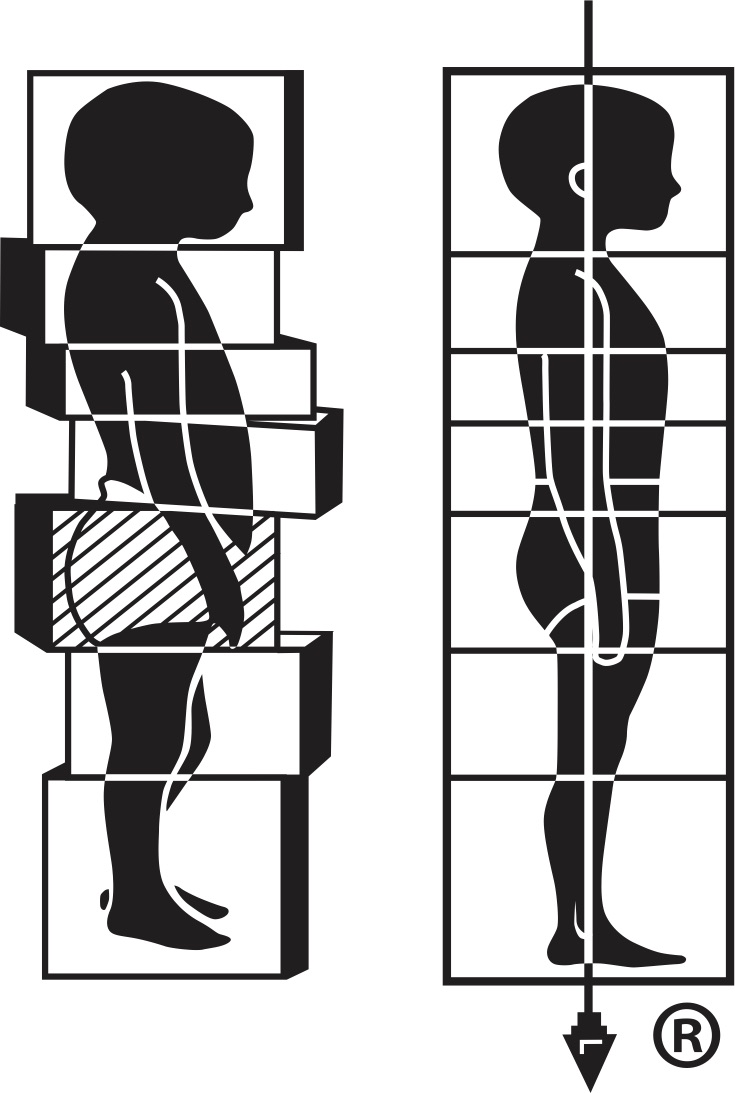
Our understanding of fascia has come a long way from Dr. Rolf’s time. She was notorious for saying ‘I don’t know why it works, but I know for sure it does’ in reference to her Structural Integration work known nowadays as Rolfing. But that was the 60’s and the research has come a long way since then.
Fascia research has emerged as a rapidly expanding area of study, focusing on the connective tissue that permeates the entire body, providing structural support to muscles, organs, bones, and nerves. This tissue network plays a critical role in maintaining the body’s integrity and facilitating movement. Below is an overview based on the most current scientific understanding of fascia and its functions.
Fascia is described as a three-dimensional continuum of soft, collagen-containing, fibrous connective tissue that permeates the body, providing support, protection, and form. It includes elements like aponeuroses, tendons, ligaments, joint capsules, and intramuscular connective tissues.
Fascia supports and separates muscles and organs, reducing friction and maintaining structural integrity. It’s crucial for maintaining posture and facilitating movement. Fascia also plays a role in distributing mechanical forces generated by muscular activities across the body, acting as a tensional support system. Last but certainly not least, fascia is rich in sensory receptors, indicating it has proprioceptive and interoceptive capabilities, influencing body awareness and movement control.
- Pain and Movement Disorders: Restrictions or dysfunctions in fascia can lead to pain, stiffness, and reduced mobility, potentially contributing to conditions like chronic back pain, plantar fasciitis, and myofascial pain syndrome.
- Therapeutic Approaches: Techniques like Rolfing and Osteopathic Manual Therapy aim to improve fascial health. In the realm of sports medicine, Rolfing specifically utilizes fascial manipulation for injury prevention, rehabilitation, and performance enhancement. Rolfing, a form of Structural Integration, focuses on manipulating the fascia to realign and balance the body, thereby potentially reducing the risk of sports-related injuries by addressing fascial restrictions. This approach aims to improve athletes’ posture and movement efficiency, which can enhance performance by optimizing the transmission of forces through the myofascial system. For rehabilitation, Rolfing may help in restoring mobility and reducing pain by releasing fascial adhesions that could be impeding recovery from sports injuries. Through these targeted interventions, Rolfing supports athletes in achieving a more integrated and functional body structure, contributing to both recovery and peak athletic performance.
Recent research has expanded the understanding of fascia from merely passive structures to dynamic systems that react to and influence physical activity, stress, and possibly even emotions. Fascia can adapt to mechanical loading, showing changes in thickness, stiffness, and elasticity, which can be influenced by lifestyle, exercise, or lack thereof.
The interest in fascia has led to international research collaborations and dedicated congresses, increasing the scientific community’s focus on it. The first ever International Fascia Research Congress took place on October 4-5, 2007, at The Conference Center, Harvard Medical School, in Boston. This landmark event was the first global conference to focus exclusively on fascia, exploring its diverse forms and functions.There’s also a growing trend of incorporating fascia science into therapeutic practices. It goes without saying that fascia science is rapidly advancing, driven by the contributions of numerous highly skilled and innovative researchers in the field.
Paige ’the Rolfer’ Dayvis is a certified Rolfer at Center of Integration located at 21754 State Rd 54 Suite 102 Studio A, Lutz, FL 33549. Send us a message today using the form below to see if Rolfing in Tampa can help you get back to doing the things you love.
Schedule Your Appointment Below
Initial Visit 90 mins (First Time Clients)
These sessions are 90 minutes to allow for proper intake and a treatment.
90-Minute Treatment (Existing Clients)
These sessions are 90 minutes. This is the ideal length for those going through the initial experience.
60-Minute Treatment (Existing Clients)
These sessions are 60 minutes. Ideal for those who have done the initial experience and are looking for a tune up.


 Get back to doing the things you love