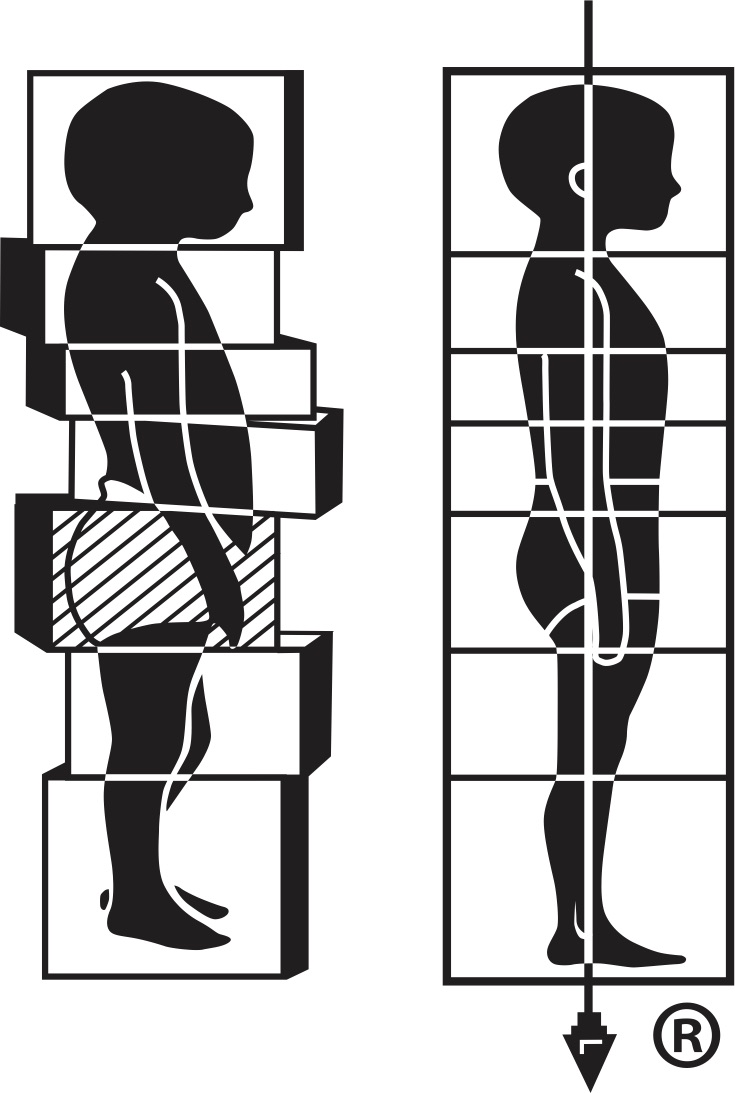
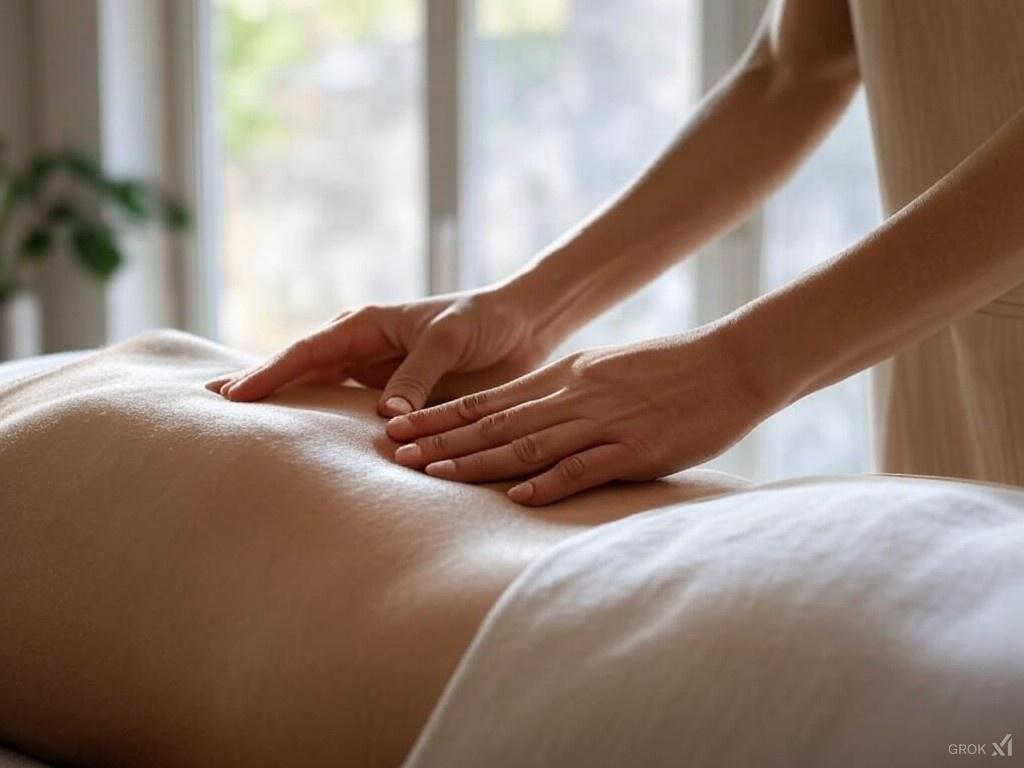
Rolfing, or Structural Integration, stands out from Chiropractic, Osteopathic Manual Therapy, Massage, Physical Therapy, and Acupuncture in several key ways. Here are a few examples of how-
Focus and Philosophy
Rolfing: Emphasizes the holistic realignment of the body in relation to gravity, working with the fascia (connective tissue) to achieve structural balance. It’s based on the idea that proper alignment enhances health, function, and movement.
Osteopathic Manual Therapy: While also holistic, it includes a broader range of techniques to improve the body’s structure, function, and self-healing capabilities, with a significant focus on the musculoskeletal system but not as exclusively on fascia as Rolfing.
Chiropractic: Primarily focuses on the spine and nervous system, aiming to correct misalignments (subluxations) to restore health mainly through adjustments.
Massage Therapy: Concentrates on muscle relaxation, pain relief, and improving circulation through various techniques that mainly work on muscles rather than the fascial network comprehensively.
Physical Therapy: Aims at rehabilitation, injury prevention, and enhancing physical function through exercise, education, and sometimes manual techniques, but its approach is more about restoring function than realigning structure.
Acupuncture: Works on the principle of balancing the body’s energy (Qi) through meridian points, using needles to stimulate healing, pain relief, and balance, which is a completely different paradigm from Rolfing’s structural focus.
Technique and Methodology
Rolfing: Uses deep, sometimes intense, manipulation of the fascia over a series of sessions (traditionally 10), aiming for a permanent change in body structure. Techniques are specific to each session, progressively working through layers of the body.
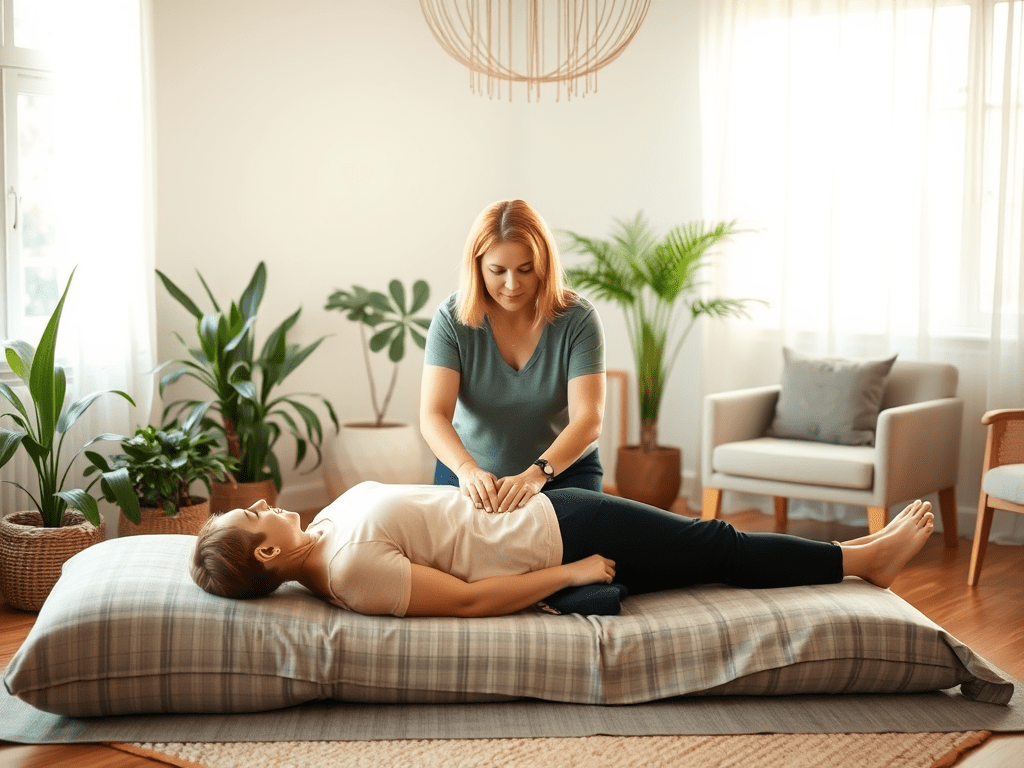
Osteopathic Manual Therapy: Includes manipulation, muscle energy techniques, and other methods to restore function and balance, but with a less specific sequence than Rolfing’s 10-series.
Chiropractic: Involves quick, controlled force to adjust joints, predominantly the spine, to correct alignment issues.
Massage: Employs kneading, stroking, and other techniques to relax muscles, increase circulation, and reduce tension. It’s generally less about structural change and more about immediate relief.
Physical Therapy: Utilizes exercise, manual therapy, and education, focusing on recovery and preventing re-injury, with techniques tailored to individual needs but not necessarily aimed at global structural change.
Acupuncture: Involves needle insertion at specific points to influence energy flow, which can affect physical, emotional, and mental health but does not directly work on physical structure in the way Rolfing does.
Outcomes and Goals
Rolfing: Seeks lasting structural changes that lead to improved posture, movement, and energy efficiency. It’s about elevating the body’s organization in gravity.
Osteopathic Manual Therapy: Focuses on the whole person, working towards health through balanced structure and function, similar to Rolfing but with different techniques and philosophies.
Chiropractic: Aims for pain relief, improved mobility, and nervous system function through spinal adjustments.
Massage: Targets immediate relief from muscle tension, stress, and pain, with benefits that might not be as long-lasting without regular sessions.
Physical Therapy: Goal-oriented towards restoring function, mobility, and strength, often after an injury or surgery, with an emphasis on patient education for self-care.
Acupuncture: Aims to balance the body’s energy, treat pain, and support the body’s healing processes, often leading to systemic effects.
Education and Practice
Rolfing practitioners undergo specific training focused on Structural Integration, which is distinct from the training for chiropractors, massage therapists, osteopaths, physical therapists, or acupuncturists, who each have their own educational and certification pathways.
Having studied both Osteopathic Manual Therapy and Rolfing (and many other continuing education courses related to body work over the years) I can truly say that the Rolfing training was very different from any other training I’ve done. The training I received in becoming a Rolfer completely changed the way I considered the human body. It was not so much out of a book as much as it was into my body. While I use every tool in my tool kit to address the body in front of me, my love and passion is in Rolfing and I tend to use all my tools within the context of Rolfing when appropriate. That is where I see the results my clients are craving. Rolfing is what gets me excited to go to work.
In essence, while there are overlaps in goals like pain relief and improved function, Rolfing’s unique approach lies in its focus on fascia, its methodical, progressive series of treatments aimed at structural change, and its philosophy of aligning the body with gravity for optimal health and movement.
Paige ’the Rolfer’ Dayvis is a certified Rolfer at Center of Integration located at 21754 State Rd 54 Suite 102 Studio A, Lutz, FL 33549. Send us a message today using the form below to see if Rolfing with Paige can help you get back to doing the things you love.
Book your session now using the links below
Initial Visit 90 mins (First Time Clients)
These sessions are 90 minutes to allow for proper intake and a treatment.
90-Minute Treatment (Existing Clients)
These sessions are 90 minutes. This is the ideal length for those going through the initial experience.
60-Minute Treatment (Existing Clients)
These sessions are 60 minutes. Ideal for those who have done the initial experience and are looking for a tune up.
Questions?


 Get back to doing the things you love