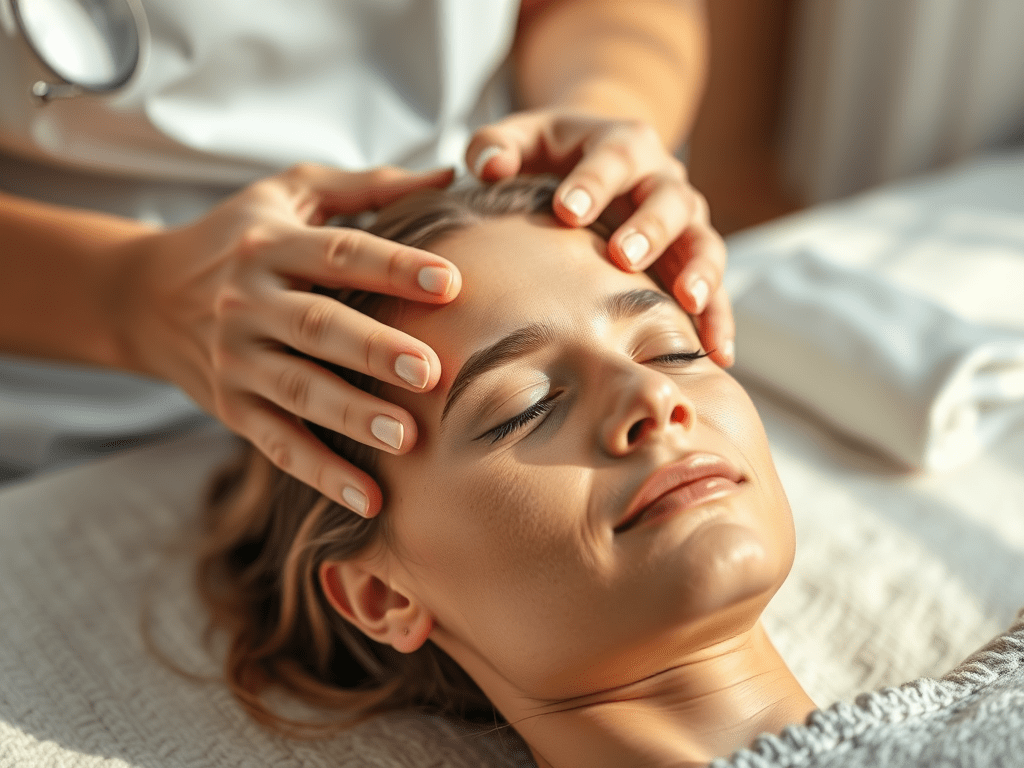
Headaches are among the most common ailments, affecting millions of people worldwide and impacting their quality of life. While there are numerous conventional treatments available, ranging from medications to lifestyle changes, osteopathic manual therapy, particularly cranial osteopathy, has emerged as a promising alternative or complementary approach to headache management.
Understanding Osteopathic Manual Therapy
Osteopathic manual therapy (OMT) is a holistic, hands-on treatment method practiced by Osteopathic Manual Practitioners (OMP) and Doctors of Osteopathy (DO). It is grounded in the philosophy that the body’s structure and function are intimately related. OMT involves manipulating muscles, joints, and soft tissues to restore proper alignment, reduce tension, and enhance the body’s natural healing processes.
Among the various techniques under the osteopathic umbrella, cranial osteopathy stands out, especially for its application in treating headaches.
What is Cranial Osteopathy?
Cranial osteopathy, sometimes called craniosacral therapy when practiced by non-OMP/DO professionals, is a specialized technique that focuses on the gentle manipulation of the skull, sacrum, and the connected membranes and fluids, especially the cerebrospinal fluid, which surrounds the brain and spinal cord. Developed by Dr. William Garner Sutherland in the early 20th century, this method is based on the theory that the bones of the skull are not fixed but have a slight inherent movement, influencing the flow of cerebrospinal fluid.
How Cranial Osteopathy Addresses Headaches
Headaches can stem from various sources, including muscle tension, misalignments, vascular issues, or even stress and emotional factors. Cranial osteopathy approaches headache treatment with a few key mechanisms:
Improving Cerebrospinal Fluid Flow: By gently mobilizing the cranial bones, practitioners can enhance the rhythm and flow of cerebrospinal fluid, which might be restricted due to tension or misalignment, potentially relieving headache symptoms.
Releasing Cranial Tension: Many headaches, particularly tension-type headaches, involve muscle tension around the skull and neck. Cranial techniques aim to release these tensions, possibly reducing headache frequency and intensity.
Enhancing Nervous System Function: The technique influences the central nervous system’s operation by optimizing the environment in which it functions, which could mitigate headache triggers related to nerve compression or irritation.
Addressing the Craniovertebral Junction: Cranial osteopathy often focuses on the junction where the skull meets the spine, an area implicated in cervicogenic headaches where pain originates from the neck’s musculoskeletal structures.
Stress Reduction: The gentle, hands-on nature of cranial osteopathy can induce a state of deep relaxation, reducing stress, which is a significant headache trigger for many individuals.
While the efficacy of cranial osteopathy for headaches has been debated due to the lack of large-scale, randomized controlled trials, several smaller studies and anecdotal evidence suggest benefits:
- A scoping review on osteopathic manipulative treatment for headaches, including tension-type headaches and migraines, indicates that OMT can reduce the frequency, intensity, and duration of headaches. This supports the use of cranial techniques as part of a broader treatment strategy for headache management.
- Some studies suggest that cranial osteopathy might be effective as a complementary therapy for treating headaches.
- Clients often report improvements in headache symptoms post-treatment, although these are subjective, at Center of Integration our goal is to get results. If the client leaves with their problem solved, well, as far as I’m concerned, that’s a win.
Cranial osteopathy is generally considered safe when performed by a licensed professional. Special consideration is necessary for infants as their skull bones are still developing and for people with certain neurological conditions.
Cranial osteopathy represents a nuanced approach to headache management, emphasizing the body’s inherent ability to heal and balance itself. While certainly not a panacea, it does offer a non-invasive, drug-free option that might complement conventional treatments for headaches. Individuals interested in exploring this method should contact Paige the Rolfer, a qualified osteopathic practitioner and consider it as part of a comprehensive treatment plan tailored to their specific headache type and health needs. As with any therapy, outcomes can vary as every body is different.
Paige Dayvis is a Licensed Ecclesiastical Holistic Practitioner at Center of Integration located at 21754 State Rd 54 Suite 102 Studio A, Lutz, FL 33549. Send us a message today using the form below to see if holistic services with Paige can help you get back to doing the things you love.
Book your session now using the links below
Initial Visit 90 mins (First Time Clients)
These sessions are 90 minutes to allow for proper intake and a treatment.
90-Minute Treatment (Existing Clients)
These sessions are 90 minutes. This is the ideal length for those going through the initial experience.
60-Minute Treatment (Existing Clients)
These sessions are 60 minutes. Ideal for those who have done the initial experience and are looking for a tune up.
Questions?


PAIGE DAYVIS IS NOT A MEDICAL DOCTOR. PAIGE DAYVIS DOES NOT OFFER MEDICAL ADVICE OR TREATMENT. THIS IS A MANUAL THERAPY ONLY.
 Get back to doing the things you love