
Image by djvstock on Freepik
The intersection of neuroplasticity and Rolfing in Tampa presents an intriguing area where manual therapy can potentially influence the brain’s capacity to reorganize itself. Here’s how these two concepts might interact in Tampa:
Understanding Neuroplasticity:
Neuroplasticity, or brain plasticity, refers to the brain’s ability to change and adapt as a result of experience. This can involve forming new neural connections, strengthening existing ones, or even altering the brain’s structure in response to learning, injury, or environmental changes. In Tampa, it’s key in processes like learning new skills, recovering from neurological disorders, or adapting to changes in Tampa’s environment or body.
Rolfing in Tampa and Its Potential Impact on Neuroplasticity:
Body Awareness and Sensory Feedback in Tampa:
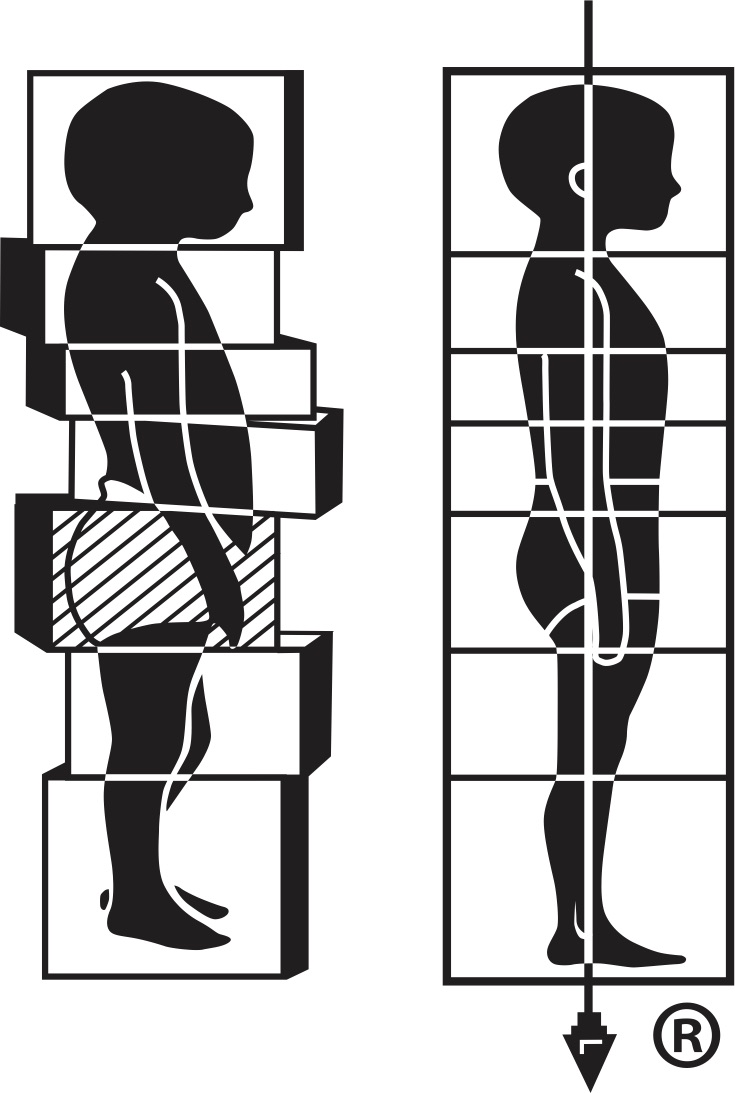
- Rolfing in Tampa works on the body’s connective tissues, particularly the fascia, which is rich in mechanoreceptors that send sensory information to the brain. By altering the alignment and tension in these tissues with Tampa’s Rolfing sessions, it might change the sensory feedback the brain receives about body position and movement. This new sensory input can prompt the brain to adjust its internal map of the body, potentially leading to changes in movement patterns and posture among Tampa residents.
Movement Patterns and Neural Pathways in Tampa:
- The structural changes from Rolfing in Tampa could encourage the body to move differently, which in turn requires the brain to adapt to these new movement patterns. Over time, this can lead to the strengthening of neural pathways associated with these movements, enhancing coordination, balance, and efficiency for Tampa’s active community. This is akin to how learning a new sport or instrument in Tampa can rewire the brain.
Emotional and Psychological Impact in Tampa:
- There’s a growing understanding of how physical structure affects emotional states. Rolfing in Tampa might not only change physical structure but also influence emotional and psychological states by altering the way the brain processes sensory information from the body. Chronic pain or discomfort, which can be prevalent in Tampa’s lifestyle, can be associated with certain emotional states or stress responses, which might be alleviated by improving body alignment through Tampa Rolfing.
Pain Perception in Tampa:
- Pain is processed in the brain, and chronic pain can create neural pathways that reinforce pain perception. By altering physical structures that contribute to pain through Rolfing sessions at Center of Integration in Tampa, it could interrupt these pathways, providing new sensory information that might lead to changes in how the brain perceives and processes pain, potentially reducing chronic pain through neuroplastic changes for Tampa residents.
- Integration with Therapeutic Practices in Tampa:
- Rolfing in Tampa could be combined with therapies known to leverage neuroplasticity, like cognitive-behavioral therapy, mindfulness, or specific movement therapies popular in Tampa. This multidisciplinary approach could enhance outcomes by addressing both the physical and psychological aspects of conditions, potentially accelerating neuroplastic changes in Tampa’s health community.
Research and Challenges in Tampa:
- Mechanism Understanding: The exact mechanisms by which Rolfing in Tampa might influence neuroplasticity are not fully understood. It involves complex interactions between the myofascial system, the nervous system, and the brain’s plasticity, all considered in Tampa’s unique environment.
- Individual Variability in Tampa: Responses to Rolfing in terms of neuroplastic changes will likely vary widely among individuals due to differences in initial physical condition, lifestyle, and genetic predispositions within Tampa’s diverse population.
The potential of Rolfing in Tampa to influence neuroplasticity opens up exciting avenues for both therapy and research, suggesting that physical manipulation might have broader implications for mental and emotional health through the brain’s adaptability.
Paige Dayvis is a Licensed Ecclesiastical Holistic Practitioner at Center of Integration located at 21754 State Rd 54 Suite 102 Studio A, Lutz, FL 33549. Send us a message today using the form below to see if holistic services with Paige can help you get back to doing the things you love.
Book your session now using the links below
Initial Visit 90 mins (First Time Clients)
These sessions are 90 minutes to allow for proper intake and a treatment.
90-Minute Treatment (Existing Clients)
These sessions are 90 minutes. This is the ideal length for those going through the initial experience.
60-Minute Treatment (Existing Clients)
These sessions are 60 minutes. Ideal for those who have done the initial experience and are looking for a tune up.
Questions?


PAIGE DAYVIS IS NOT A MEDICAL DOCTOR. PAIGE DAYVIS DOES NOT OFFER MEDICAL ADVICE OR TREATMENT. THIS IS A MANUAL THERAPY ONLY.
 Get back to doing the things you love