People get fat transfers for a variety of reasons, mostly tied to enhancing their appearance or addressing specific concerns in a natural way. Body-wise, it’s popular for subtle breast or butt enhancements (think Brazilian Butt Lift) without implants, appealing to those who prefer a “natural” look or want to avoid foreign materials. Some even use it to contour hands or hips, balancing their figure—like boosting that waist-to-hip ratio.
The American Society of Plastic Surgeons reported about 86,000 fat grafting procedures for face and body in 2022, and demand’s been climbing steadily, up around 5-10% year-over-year in recent reports. Fueled by social media and a push for natural-looking results. People from Tampa Bay to Lutz are likely following suit. Local plastic surgeons, from Tampa to St. Pete, heavily market fat transfers, especially BBLs and facial rejuvenation, suggesting it’s a go-to option.
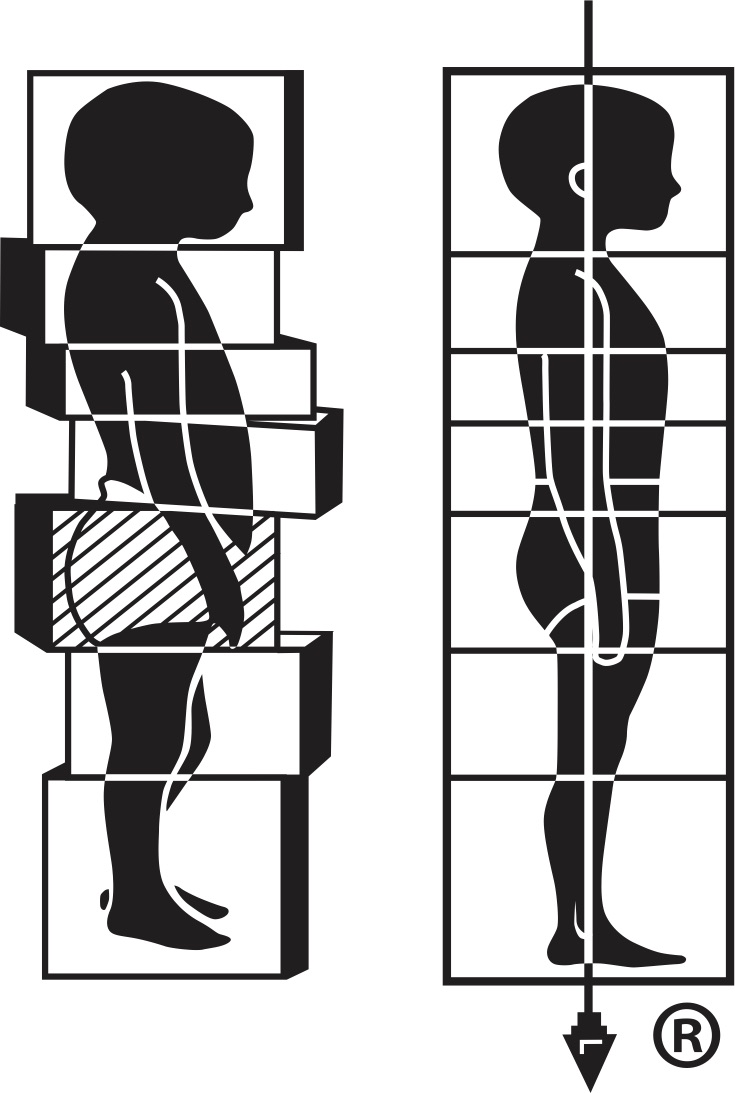
As a Rolfer at Center of Integration in Lutz, Florida—someone trained in Rolfing Structural Integration, a form of bodywork focused on manipulating and optimizing the fascia—I’d approach the question of fat transfer by considering how it interacts with the body’s connective tissue network and overall structural balance. Fascia is the web of connective tissue that surrounds muscles, organs, and fat, giving shape and support to the body. It’s dynamic, responsive, and deeply tied to how we move, feel, and hold ourselves.
Fat transfer—say, moving fat from one area (like the abdomen) to another (like the buttocks or face)—introduces a new volume into a region. From a Rolfing perspective, this doesn’t just plop some inert material into the body; it shifts the whole fascial system. The fascia in the recipient area has to adapt to this new mass. Depending on how the fat integrates, it could either support or disrupt the local tissue planes. If the transfer is smooth and the fat grafts well—meaning it establishes a blood supply and settles naturally—the fascia might accommodate it like a new neighbor, stretching and reorganizing to maintain its tensional integrity. Think of it like adding a pillow to a tightly made bed: the sheets (fascia) adjust, but the overall structure stays cohesive.
But if the transfer is uneven, or if there’s scarring or poor integration, the fascia could get sticky or restricted. This might create tension patterns that pull on surrounding tissues—say, tightening the lower back after a Brazilian butt lift, or subtly altering jaw movement after facial fat grafting. Rolfers often talk about the body as a tensegrity structure, where everything’s interconnected through balanced tension. Add fat somewhere, and the ripple travels: maybe the hips tilt differently, or the shoulders compensate. Over time, this could affect posture or movement, either subtly or noticeably, depending on the volume and placement.
The donor site matters too. Liposuction to harvest fat disrupts the fascia where it’s taken from—breaking up its layers, potentially leaving gaps or adhesions. A skilled Rolfer might notice this as a loss of “slide and glide” in that area, where tissues don’t move as freely. Healing could restore it, but if scar tissue forms, it might tug on the fascial network, creating compensatory patterns elsewhere—like a snag in a sweater pulling threads out of alignment.
On a broader level, fat isn’t just structural; it’s metabolic and hormonal. A Rolfer might not focus on this directly, but we’d sense how added fat could shift the body’s weight distribution and energy. More fat in the glutes might ground someone differently, altering how their feet hit the earth, while facial fat might soften expression but change how the neck holds the head. The fascia, being sensory-rich, would register these shifts, potentially affecting how the person inhabits their body—more confidence with a fuller figure, or maybe discomfort if the change feels foreign.
So, through my lens as a Rolfer, fat transfer is a dance between disruption and adaptation. The fascia doesn’t just passively accept the change—it reshapes, resists, or flows with it, influencing the whole body’s alignment and ease. A Center of Integration, working with someone post-transfer might focus on helping the fascia integrate the new fat, releasing any stuck spots, and restoring fluidity across the system. It’s less about the fat itself and more about how the body renegotiates its balance around it.
I would recommend anyone who has undergone a fat transfer or anyone who is considering a fat transfer get in touch to see if working with Paige ‘the Rolfer’ Dayvis at Center of Integration in Lutz, Florida can help support you on your journey.
Paige Dayvis is a Licensed Ecclesiastical Holistic Practitioner at Center of Integration located at 21754 State Rd 54 Suite 102 Studio A, Lutz, FL 33549. Send us a message today using the form below to see if holistic services with Paige can help you get back to doing the things you love.
Book your session now using the links below
Initial Visit 90 mins (First Time Clients)
These sessions are 90 minutes to allow for proper intake and a treatment.
90-Minute Treatment (Existing Clients)
These sessions are 90 minutes. This is the ideal length for those going through the initial experience.
60-Minute Treatment (Existing Clients)
These sessions are 60 minutes. Ideal for those who have done the initial experience and are looking for a tune up.
Questions?


PAIGE DAYVIS IS NOT A MEDICAL DOCTOR. PAIGE DAYVIS DOES NOT OFFER MEDICAL ADVICE OR TREATMENT. THIS IS A MANUAL THERAPY ONLY.
 Get back to doing the things you love