Osteopathic Manual Therapy (OMT) is a hands-on approach used by Osteopathic Manual Practitioners. OMP’s work with a wide range of health issues by manipulating the musculoskeletal system. This is different than working with an Osteopathic Physician. Paige Dayvis, Doctor of Osteopathy (Spain) at Center of Integration in Lutz, Florida is trained in European style, a hands-on osteopathy. OMP’s are not medical doctors.
While it’s not universally agreed that everyone needs OMT as a maintenance tool, there’s a compelling case for why it could benefit most people living in a human body—since, well, that’s all of us! Here’s the breakdown:
Why OMT as Maintenance?
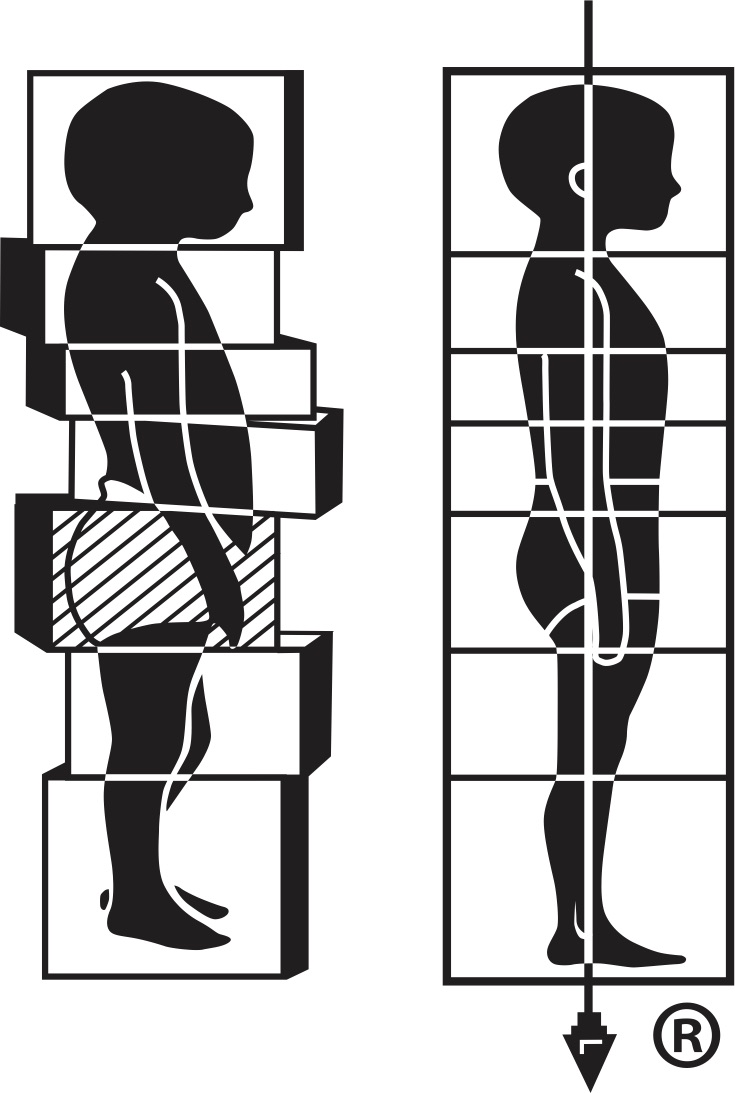
- The Body’s a Connected Machine: OMT, much like Rolfing is rooted in the idea that the body is an interconnected system—bones, muscles, fascia, organs, and fluids all work together. Stress, poor posture, or minor injuries can throw this system out of whack, even if you don’t feel “broken.” Regular OMT could help keep everything aligned and functioning smoothly, like tuning up a car before it breaks down.
- Counteracting Modern Life: Most of us sit too much, stare at screens, or move in repetitive ways (think texting or typing). Over time, this leads to tension, stiffness, or subtle misalignments—stuff you might not notice until it’s a bigger problem. OMT can release that tension, improve mobility, and boost circulation, acting as a reset for the wear and tear of daily life.
- Boosting Self-Healing: Osteopathy emphasizes the body’s natural ability to heal itself. By improving blood flow, lymphatic drainage, and nerve function through manual techniques, OMT supporters argue it keeps your self-repair systems firing on all cylinders. Think of it like clearing the pipes so your body’s plumbing works better.
- Prevention Over Cure: Why wait for pain or dysfunction? OMT, similar to Rolfing can spot and address minor issues—like tight fascia or joint restrictions—before they turn into chronic back pain, headaches, or worse. It’s proactive, not just reactive.
- Stress and the Body: We’re all stressed, and stress doesn’t just live in your head—it tightens muscles, messes with breathing, and strains your system. OMT can ease that physical burden, which might also lighten the mental load. It’s not a spa day, but it’s got a similar vibe with deeper benefits.
Who’s It For?
Pretty much anyone with a body could find some use here—athletes, desk jockeys, retirees, even kids. The human frame takes a beating from gravity, habits, and time. OMT could be a major player in keeping you running smoother, longer, and maybe even faster. Regardless of your lifestyle.
So, should everyone use OMT or Rolfing as maintenance? Maybe not literally everyone, but the logic is sound: your body’s a complex, dynamic system that benefits from occasional recalibration. OMT offers a hands-on way to keep the gears turning—less about fixing what’s broken and more about optimizing what’s already there. If you buy into the idea that prevention beats treatment, it’s a solid tool to have in your health kit. Be sure to check out Rolfing if you are looking to address older injuries that are holding you back!
Paige Dayvis is a Licensed Ecclesiastical Holistic Practitioner at Center of Integration located at 21754 State Rd 54 Suite 102 Studio A, Lutz, FL 33549. Send us a message today using the form below to see if holistic services with Paige can help you get back to doing the things you love.
Book your session now using the links below
Initial Visit 90 mins (First Time Clients)
These sessions are 90 minutes to allow for proper intake and a treatment.
90-Minute Treatment (Existing Clients)
These sessions are 90 minutes. This is the ideal length for those going through the initial experience.
60-Minute Treatment (Existing Clients)
These sessions are 60 minutes. Ideal for those who have done the initial experience and are looking for a tune up.
Questions?


PAIGE DAYVIS IS NOT A MEDICAL DOCTOR. PAIGE DAYVIS DOES NOT OFFER MEDICAL ADVICE OR TREATMENT. THIS IS A MANUAL THERAPY ONLY.
 Get back to doing the things you love