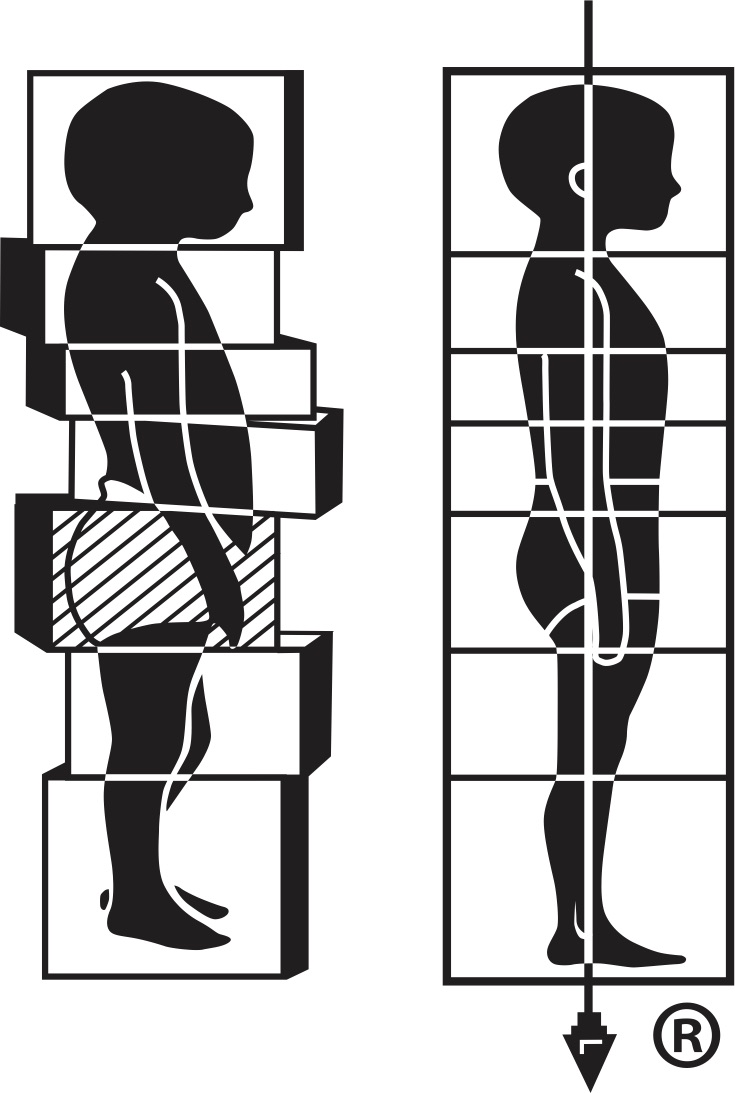
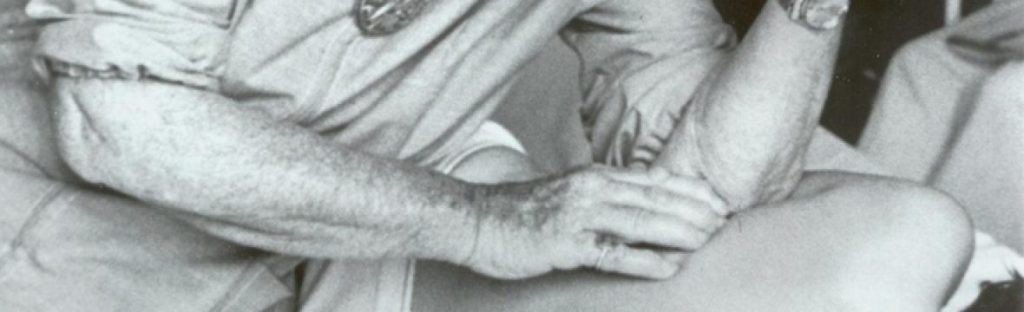
This weekend I had the pleasure of attending a Myoskeletal Alignment Techniques (MAT) workshop in Tampa. MAT is a synergistic approach to relieving muscle and nerve Pain with Rolfing and Osteopathic Manual Therapy. I have been a huge fan of Daltons work since I started practicing in 2016. With our similar shared educational background it seemed only logical that I would be drawn to his techniques and knowledge.
Erik Dalton, PhD, a pioneer in the field of manual therapy, left an indelible mark on the world of pain management through his development of MAT. With a career spanning over four decades, Dalton’s work integrated insights from massage therapy, Rolfing, and osteopathic manual therapy to create a holistic system aimed at addressing chronic pain at its root. When combined with the principles of Rolfing and osteopathic manual therapy, MAT offers a powerful approach to relieving not only muscle pain but also nerve pain, providing lasting relief for clients suffering from a wide range of musculoskeletal and neurological complaints.
The Foundation of Erik Dalton’s Work
Dalton’s journey into bodywork began with a transformative encounter with Dr. Ida Rolf’s Structural Integration in 1972, which inspired him to become a Certified Rolfer. His curiosity and passion for understanding pain led him to further studies with renowned osteopath Philip Greenman at Michigan State University College of Osteopathic Medicine. A personal injury—a neck fracture from a judo fall—deepened his exploration into joint neurology and chronic pain, ultimately culminating in the creation of MAT in the 1990s.
MAT is a synthesis of myofascial release, joint mobilization, and deep tissue techniques, grounded in an understanding of the interplay between the musculoskeletal and nervous systems. Dalton recognized that pain often stems from imbalances in posture, joint mechanics, and muscle tension, which can compress nerves and perpetuate discomfort. His approach emphasizes correcting these underlying patterns rather than merely treating symptoms, a philosophy that aligns closely with Rolfing and osteopathic principles.
Rolfing: Realigning the Body’s Connective Tissue Network
Rolfing, developed by Dr. Ida Rolf, focuses on manipulating the body’s fascia—the connective tissue that surrounds muscles, bones, and organs—to restore structural integrity and balance. Rolfers work to release restrictions in the fascial network, improving alignment and movement efficiency. This process can alleviate muscle pain by reducing tension and strain patterns, but it also has profound implications for nerve pain relief.
Fascia is rich with nerve endings, and when it becomes tight or adhesed, it can compress or irritate nearby nerves, leading to sensations of burning, tingling, or radiating pain. By lengthening and reorganizing the fascia, Rolfing can relieve this pressure, potentially easing nerve entrapment syndromes like sciatica or thoracic outlet syndrome. Dalton’s early training as a Rolfer heavily influenced MAT, particularly in its focus on whole-body alignment and fascial work.
Osteopathic Manual Therapy: Restoring Joint and Nervous System Harmony
Osteopathic manual therapy (OMT), rooted in the principles of osteopathy, emphasizes the body’s self-healing capacity and the importance of proper joint mobility. Practitioners use techniques such as joint manipulation, soft tissue mobilization, and cranial osteopathy to address dysfunctions in the musculoskeletal system. OMT is particularly effective for nerve pain because it targets joint misalignments and restrictions that may impinge on nerves or disrupt their function.
For example, a misaligned vertebra or a locked facet joint can pinch a spinal nerve root, causing radiating pain. Osteopathic techniques aim to restore motion to these joints, reducing mechanical stress on nerves and promoting healthy neural signaling. Dalton’s studies with Philip Greenman introduced him to these osteopathic concepts, which he wove into MAT’s joint mobilization and neuromobilization strategies.
The Synergy: MAT, Rolfing, and OMT in Action
When combined, Erik Dalton’s MAT, Rolfing, and osteopathic manual therapy create a synergistic triad that addresses muscle and nerve pain from multiple angles. Here’s how they work together:
Comprehensive Assessment and Correction
MAT begins with a postural and functional assessment to identify misalignments and strain patterns, a practice that echoes Rolfing’s emphasis on whole-body integration and OMT’s focus on structural harmony. By pinpointing the root causes of pain—whether it’s a forward head posture, a rotated pelvis, or a stiff thoracic spine—therapists can tailor their approach to the individual.
Myofascial and Fascial Release
MAT and Rolfing share a deep-tissue focus, using sustained pressure and stretching to release tight muscles and fascia. This not only relieves muscle soreness but also reduces nerve compression by freeing up space around neural pathways. For instance, releasing adhesions in the scalene muscles can alleviate nerve pain associated with thoracic outlet syndrome.
Joint Mobilization and Neuromobilization
Drawing from osteopathy, MAT incorporates joint mobilization techniques to restore proper biomechanics. Dalton also introduced neuromobilization maneuvers—gentle stretches and glides that target irritated or entrapped nerves directly. Combined with OMT’s precise joint adjustments, these techniques can relieve conditions like carpal tunnel syndrome or radiculopathy by reducing mechanical pressure and calming hyperexcited nerve receptors.
Pain Science and Hormonal Balance
Dalton’s later work integrated modern pain science, emphasizing the role of the nervous system and hormones like dopamine, oxytocin, serotonin, and endorphins (DOSE) in pain relief. This complements Rolfing and OMT’s holistic view of the mind-body connection, as these therapies can reduce stress and trigger positive neurochemical responses, further easing nerve-related discomfort.
Real-World Impact on Muscle and Nerve Pain
The combined approach has shown remarkable success in treating conditions involving both muscle and nerve pain. For example:
- Low Back Pain and Sciatica: MAT’s graded exposure stretches and OMT’s spinal adjustments can realign the pelvis and lumbar spine, while Rolfing releases fascial restrictions around the sciatic nerve, reducing radiating leg pain.
- Neck Pain and Radiculopathy: MAT’s neck-specific techniques, paired with Rolfing’s fascial work and OMT’s cervical mobilizations, can relieve pinched nerves and muscle tension from poor posture or whiplash.
- Peripheral Nerve Entrapments: Conditions like piriformis syndrome or cubital tunnel syndrome benefit from MAT’s targeted nerve glides, Rolfing’s soft tissue release, and OMT’s focus on restoring joint function.
At Center of Integration in Lutz, clients often report not only pain reduction but also improved mobility, posture, and overall well-being, highlighting the holistic benefits of this integrated method.
Dalton’s Legacy and Continued Relevance
Erik Dalton’s sudden passing on January 11, 2025, at the age of 81, marked the end of an extraordinary career, but his work lives on through the Freedom From Pain Institute and the countless therapists he trained. His emphasis on education—through workshops, online courses, and textbooks—ensures that practitioners can continue to blend MAT with Rolfing and osteopathic techniques to help clients worldwide.
For those suffering from chronic muscle and nerve pain, this combined approach offers a non-invasive, evidence-informed path to relief. By addressing the structural, fascial, and neurological components of pain, it exemplifies Dalton’s vision of empowering the body’s innate healing potential. As he often said, “We’re just facilitators in their healing”—a humble reminder of the power of these techniques to transform lives.
In an era where pain management often leans on medication or surgery, the integration of Erik Dalton’s MAT with Rolfing and osteopathic manual therapy stands as a testament to the efficacy of hands-on, holistic care. It’s a legacy of relief, resilience, and renewed vitality for those seeking freedom from pain.
Paige Dayvis is a Licensed Ecclesiastical Holistic Practitioner at Center of Integration located at 21754 State Rd 54 Suite 102 Studio A, Lutz, FL 33549. Send us a message today using the form below to see if holistic services with Paige can help you get back to doing the things you love.
Book your session now using the links below
Initial Visit 90 mins (First Time Clients)
These sessions are 90 minutes to allow for proper intake and a treatment.
90-Minute Treatment (Existing Clients)
These sessions are 90 minutes. This is the ideal length for those going through the initial experience.
60-Minute Treatment (Existing Clients)
These sessions are 60 minutes. Ideal for those who have done the initial experience and are looking for a tune up.
Questions?


PAIGE DAYVIS IS NOT A MEDICAL DOCTOR. PAIGE DAYVIS DOES NOT OFFER MEDICAL ADVICE OR TREATMENT. THIS IS A MANUAL THERAPY ONLY.
 Get back to doing the things you love