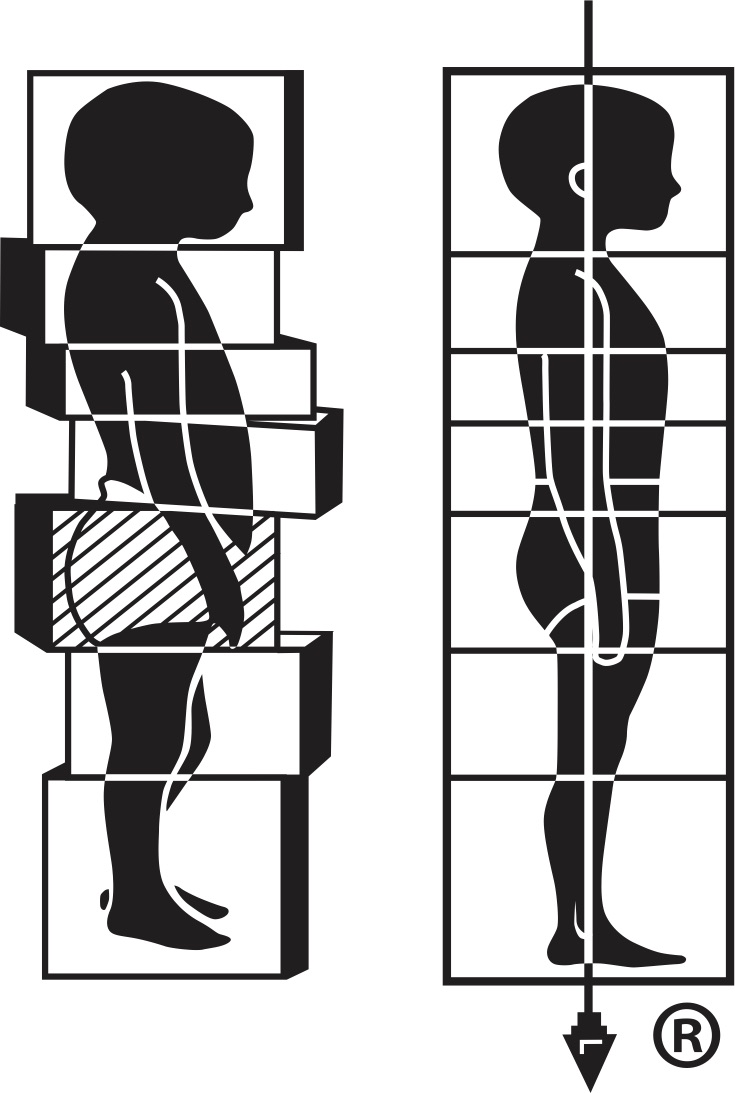
Rolfing Structural Integration can help alleviate old pain patterns by addressing their root causes, which often lie in the body’s connective tissue (fascia), posture, and structural alignment. Unlike treatments that focus solely on symptoms, Rolfing takes a holistic approach, aiming to reorganize the body’s framework to reduce chronic tension and restore balance. Here’s a detailed explanation of why Rolfing is effective for old pain patterns:
Releasing Fascial Restrictions
- What’s Happening: Fascia is a web-like network of connective tissue that surrounds and supports muscles, bones, organs, and nerves. Over time, injuries, repetitive movements, poor posture, or emotional stress can cause fascia to tighten, thicken, or “stick,” locking the body into dysfunctional patterns. These restrictions can pull joints out of alignment, strain muscles, and perpetuate pain long after the original injury heals.
- How Rolfing Helps: Rolfers use precise, hands-on manipulation to stretch and release these fascial adhesions. By softening and lengthening the fascia, Rolfing frees up restricted areas, reducing the chronic tension that sustains old pain. For example, a decades-old shoulder injury might have caused compensatory tightness in the chest and upper back—Rolfing can unravel these layers to restore mobility.
Correcting Structural Misalignment
- What’s Happening: Old pain often persists because the body adapts to injuries or habits by shifting its alignment. For instance, a past ankle sprain might lead to uneven weight distribution, tilting the pelvis and straining the lower back. These compensatory patterns become “normal” to the body, even though they perpetuate discomfort.
- How Rolfing Helps: Rolfing works to realign the body within the gravitational field. Through a systematic process (often the “Ten Series”), Rolfers adjust the relationships between major body segments—head, shoulders, pelvis, legs—to create a more balanced structure. By correcting these misalignments, Rolfing eliminates the mechanical stress that keeps old pain alive.
Breaking the Pain-Tension Cycle
- What’s Happening: Chronic pain often creates a feedback loop: pain leads to muscle guarding (tensing to protect the area), which restricts movement, reduces circulation, and reinforces the pain. Over years, this cycle can become deeply ingrained in the body’s neuromuscular patterns.
- How Rolfing Helps: Rolfing interrupts this cycle by lengthening tight tissues and teaching the body new movement patterns. The hands-on work relaxes overactive muscles and fascia, while the improved alignment reduces the need for protective tension. Clients often report feeling “lighter” or “freer,” as the body learns it no longer needs to hold onto old defensive postures.
Addressing Stored Trauma
- What’s Happening: Physical and emotional trauma can get “stored” in the body, particularly in the fascia. An old injury or stressful event might leave behind subtle (or not-so-subtle) tension patterns that the nervous system continues to reinforce. This is why some people feel pain flare-ups tied to specific memories or stressors.
- How Rolfing Helps: Rolfing’s deep, intentional touch can release these stored patterns. While not a psychological therapy, the process often has an emotional component—clients might experience memories or sensations surfacing as the tissue lets go. By addressing both the physical and somatic layers, Rolfing can help resolve pain that’s tied to past trauma.
Improving Movement Efficiency
- What’s Happening: Old pain patterns often stem from inefficient movement habits developed over time. For example, limping after a knee injury might become a permanent gait, straining other parts of the body and causing secondary pain.
- How Rolfing Helps: Rolfing retrains the body to move more naturally and efficiently. By aligning the skeleton and freeing the fascia, it allows muscles to work as intended rather than overcompensating. This reduces strain on joints and tissues, alleviating pain that’s been reinforced by years of poor movement mechanics.
6. Long-Term Change Over Temporary Relief
- What’s Happening: Many therapies (like massage or painkillers) provide temporary relief but don’t address the underlying structural issues keeping old pain alive.
- How Rolfing Helps: Rolfing’s goal is lasting transformation. The Ten Series, for instance, systematically works through the entire body, layer by layer, to create a new baseline of alignment and function. This comprehensive approach means old pain patterns aren’t just masked—they’re dismantled and replaced with a healthier state.
How does this look in real life?
Take someone with lingering pain from a car accident 15 years ago. The initial whiplash might have tightened the neck and upper back fascia, pulling the shoulders forward and compressing the spine. Over time, this posture becomes habitual, causing chronic neck pain and tension headaches. A Rolfer would:
- Release the shortened fascia in the neck and chest.
- Realign the head and shoulders over the spine.
- Integrate the changes across the body (e.g., ensuring the pelvis and legs support the upper body properly). The result? The old pain pattern fades as the body finds a new, less strained way of being.
Evidence and Experience
While scientific research on Rolfing is still limited, studies suggest fascial manipulation can reduce pain and improve function in conditions like chronic lower back pain or fibromyalgia (e.g., a 2017 study in Journal of Bodywork and Movement Therapies). Anecdotally, many clients report significant relief from pain they’ve carried for years, often describing it as “finally letting go” of something their body had been holding onto.
Why It Works for “Old” Pain Specifically
Old pain patterns are stubborn because they’re deeply embedded in the body’s structure and memory. Rolfing excels here because it doesn’t just treat the surface—it dives into the foundational layers (fascia and alignment) where these patterns live. By resetting the body’s framework, Rolfing offers a path to relief that’s both profound and enduring, making it a powerful tool for those haunted by the echoes of past injuries or strain.
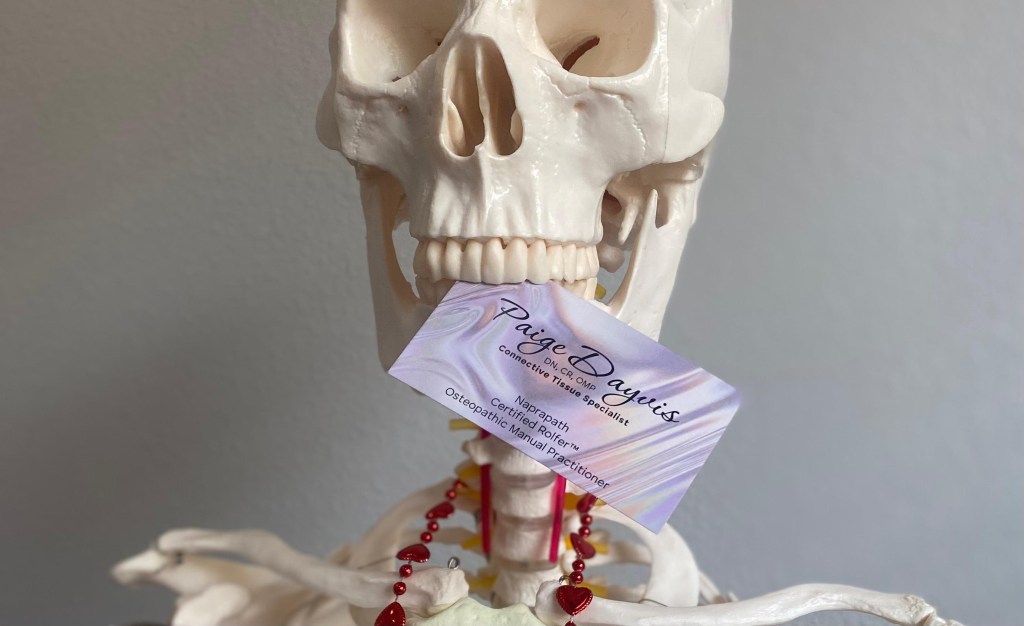
Paige Dayvis is a Licensed Ecclesiastical Holistic Practitioner at Center of Integration located at 21754 State Rd 54 Suite 102 Studio A, Lutz, FL 33549. Send us a message today using the form below to see if holistic services with Paige can help you get back to doing the things you love.
Book your session now using the links below
Initial Visit 90 mins (First Time Clients)
These sessions are 90 minutes to allow for proper intake and a treatment.
90-Minute Treatment (Existing Clients)
These sessions are 90 minutes. This is the ideal length for those going through the initial experience.
60-Minute Treatment (Existing Clients)
These sessions are 60 minutes. Ideal for those who have done the initial experience and are looking for a tune up.
Questions?


PAIGE DAYVIS IS NOT A MEDICAL DOCTOR. PAIGE DAYVIS DOES NOT OFFER MEDICAL ADVICE OR TREATMENT. THIS IS A MANUAL THERAPY ONLY.
 Get back to doing the things you love