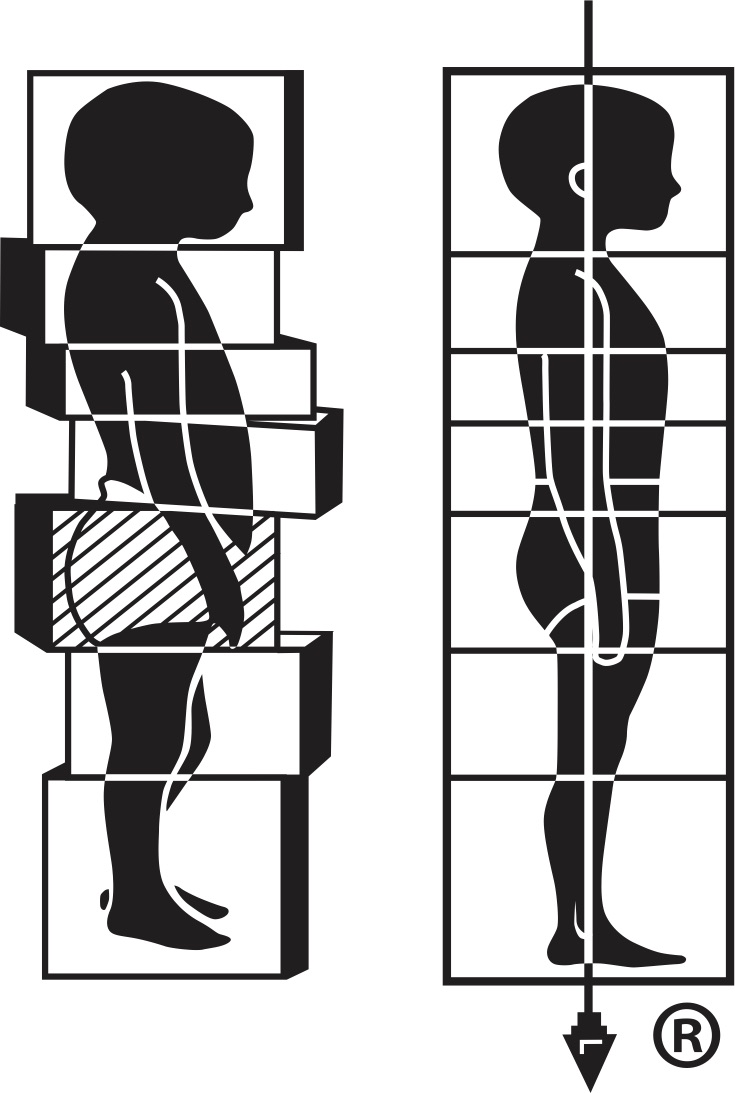
Plastic surgery and Rolfing Structural Integration might seem like an unlikely pairing at first glance—one is a medical procedure focused on altering appearance or repairing physical damage, while the other is a holistic bodywork practice aimed at realigning the body’s structure through fascial manipulation. However, when considered together, they can complement each other in specific contexts, particularly around recovery, functionality, and aesthetic outcomes. Here’s how plastic surgery and Rolfing intersect and why they might work well together:
Enhancing Recovery After Plastic Surgery
- Plastic Surgery: Procedures like liposuction, tummy tucks, breast augmentation, or reconstructive surgeries often involve incisions, tissue manipulation, and sometimes scarring. Post-surgical swelling, tightness, and restricted movement are common as the body heals.
- Rolfing: Rolfing can support recovery by addressing fascial restrictions and improving tissue mobility. After surgery, scar tissue and adhesions can form, pulling surrounding areas out of alignment and causing discomfort or stiffness. Rolfers use hands-on techniques to soften and lengthen these tissues, promoting smoother healing and reducing tension.
- Why They Match: Rolfing can accelerate recovery by improving circulation, reducing post-surgical edema (swelling), and restoring natural movement patterns. For example, after a tummy tuck, Rolfing could help release tightness in the abdominal fascia, preventing compensatory strain in the back or hips.
Optimizing Aesthetic Results
- Plastic Surgery: The goal of many cosmetic procedures (e.g., facelifts, breast lifts, or body contouring) is to enhance appearance, often by reshaping or repositioning tissues.
- Rolfing: Rolfing focuses on aligning the body within gravity, which can subtly enhance posture and symmetry—key elements of physical aesthetics. Poor posture or uneven alignment can undermine surgical results (e.g., slouched shoulders after a breast augmentation might detract from the intended look).
- Why They Match: Rolfing can refine the outcome of plastic surgery by ensuring the body’s overall structure supports the new contours. For instance, after a facelift, Rolfing could align the neck and shoulders to complement the lifted facial tissues, creating a more harmonious, natural appearance.
Addressing Pre-Surgical Imbalances
- Plastic Surgery: Surgeons often work with the body as it presents itself, including any existing asymmetries or structural issues. These imbalances might not be fully corrected by surgery alone.
- Rolfing: Before surgery, Rolfing can prepare the body by addressing chronic tension, misalignment, or fascial restrictions. A more balanced starting point could lead to better surgical outcomes and less post-operative strain.
- Why They Match: Pre-surgical Rolfing might, for example, correct a tilted pelvis before liposuction, ensuring even fat removal and reducing the risk of uneven results. It sets a stronger foundation for the surgeon’s work. Also worth noting that many clients report looking 10 lbs lighter after going through the ten series simply because their pelvis has been levelled.
Managing Scar Tissue
- Plastic Surgery: Scarring is an inevitable part of most surgeries, and while skilled surgeons minimize it, scar tissue can still cause tightness, discomfort, or visible puckering over time.
- Rolfing: Rolfing excels at working with scar tissue, using gentle manipulation to break up adhesions and integrate the scar into the surrounding fascia. This can improve both the feel and appearance of scars.
- Why They Match: Post-surgical Rolfing can soften and smooth scars, enhancing comfort and aesthetics. For example, after breast reconstruction, Rolfing could reduce the pull of scar tissue on the chest wall, improving mobility and reducing pain.
Holistic vs. Targeted Approaches
- Plastic Surgery: This is a targeted intervention, often addressing a specific area (e.g., nose, abdomen, breasts) without necessarily considering the body as a whole.
- Rolfing: Rolfing takes a whole-body perspective, recognizing that changes in one area affect the entire system. After surgery, it can integrate the altered area with the rest of the body.
- Why They Match: Plastic surgery’s precision pairs well with Rolfing’s systemic focus. For instance, after a Brazilian butt lift, Rolfing could ensure the pelvis and lower back adapt to the new shape, preventing strain and enhancing overall posture.
Practical Scenarios
- Post-Liposuction: Liposuction removes fat (and fascia!!!) but doesn’t address fascial tightness or posture. Rolfing can smooth out uneven tissue tension and improve body alignment, enhancing the sculpted look and reducing discomfort.
- Breast Surgery: After augmentation or reduction, Rolfing can release tension in the chest, shoulders, and upper back, helping the body adjust to the new weight distribution.
- Reconstructive Surgery: For patients recovering from mastectomies or trauma repairs, Rolfing can alleviate compensatory patterns (e.g., rounded shoulders) and support emotional healing by addressing stored tension.
Potential Synergy
- Before Surgery: Rolfing can help to prepare the body, making tissues more pliable and balanced, potentially easing the surgical process and recovery.
- After Surgery: Rolfing could serve as a follow-up, refining results, reducing complications (like stiffness or asymmetry), and helping patients feel more comfortable in their altered bodies.
Some things to consider
- Timing: Rolfing should only begin after a surgeon clears the patient for bodywork, as premature manipulation could disrupt healing. Typically, this might be 6–12 weeks post-surgery, depending on the procedure.
- Collaboration: Ideally, the plastic surgeon and Rolfer would communicate to align their goals, ensuring Rolfing supports rather than interferes with surgical outcomes.
- Expectations: Rolfing won’t change surgical results (e.g., it can’t alter implant size), but it can enhance how the body adapts to those changes.
Evidence and Anecdote
While there’s little formal research directly linking Rolfing and plastic surgery, studies on fascial manipulation (e.g., Journal of Bodywork and Movement Therapies, 2014) show it can improve tissue mobility and reduce pain—benefits that align with post-surgical needs. In my practice, I’ve had multiple Rolfing clients report feeling “more at home” in their bodies after combining it with cosmetic or reconstructive procedures, citing improved comfort and confidence.
Why They Work Together
Plastic surgery reshapes the body’s surface, while Rolfing reorganizes its deeper structure. Together, they can address both form and function—surgery providing the desired aesthetic or repair, and Rolfing ensuring the body integrates those changes holistically. It’s less about one “fixing” the other and more about a partnership that elevates the overall experience and outcome, blending art and alignment in a way that’s, well, pretty transformative.
Paige Dayvis is a Licensed Ecclesiastical Holistic Practitioner at Center of Integration located at 21754 State Rd 54 Suite 102 Studio A, Lutz, FL 33549. Send us a message today using the form below to see if holistic services with Paige can help you get back to doing the things you love.
Book your session now using the links below
Initial Visit 90 mins (First Time Clients)
These sessions are 90 minutes to allow for proper intake and a treatment.
90-Minute Treatment (Existing Clients)
These sessions are 90 minutes. This is the ideal length for those going through the initial experience.
60-Minute Treatment (Existing Clients)
These sessions are 60 minutes. Ideal for those who have done the initial experience and are looking for a tune up.
Questions?


PAIGE DAYVIS IS NOT A MEDICAL DOCTOR. PAIGE DAYVIS DOES NOT OFFER MEDICAL ADVICE OR TREATMENT. THIS IS A MANUAL THERAPY ONLY.
 Get back to doing the things you love