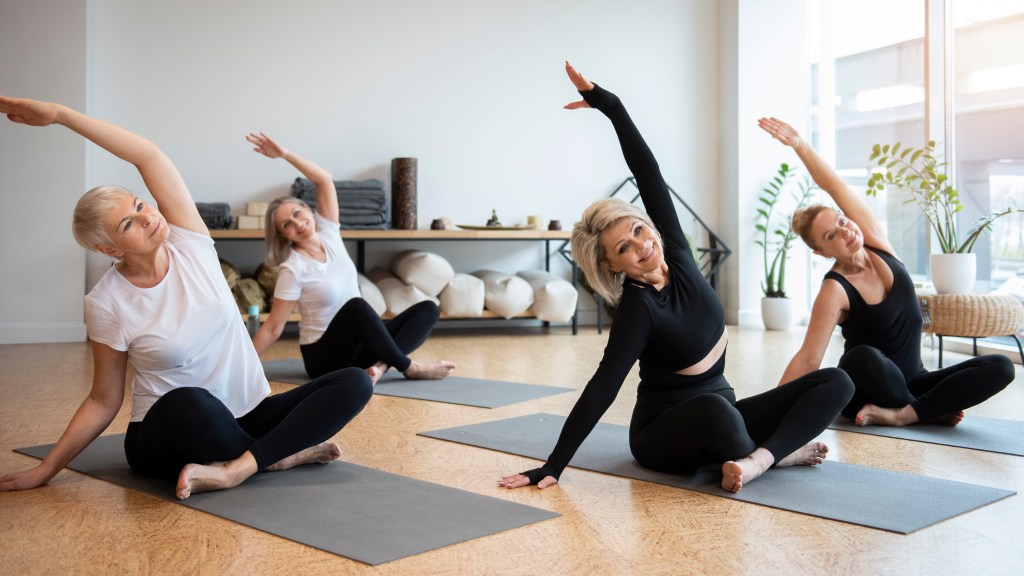
Working with Paige Dayvis, Certified Rolfer at Center of Integration in Lutz, Florida, can significantly enhance your yoga practice by improving body alignment, increasing flexibility, and fostering a deeper mind-body connection. Here’s how it works and why it complements yoga so well:
What is Rolfing?
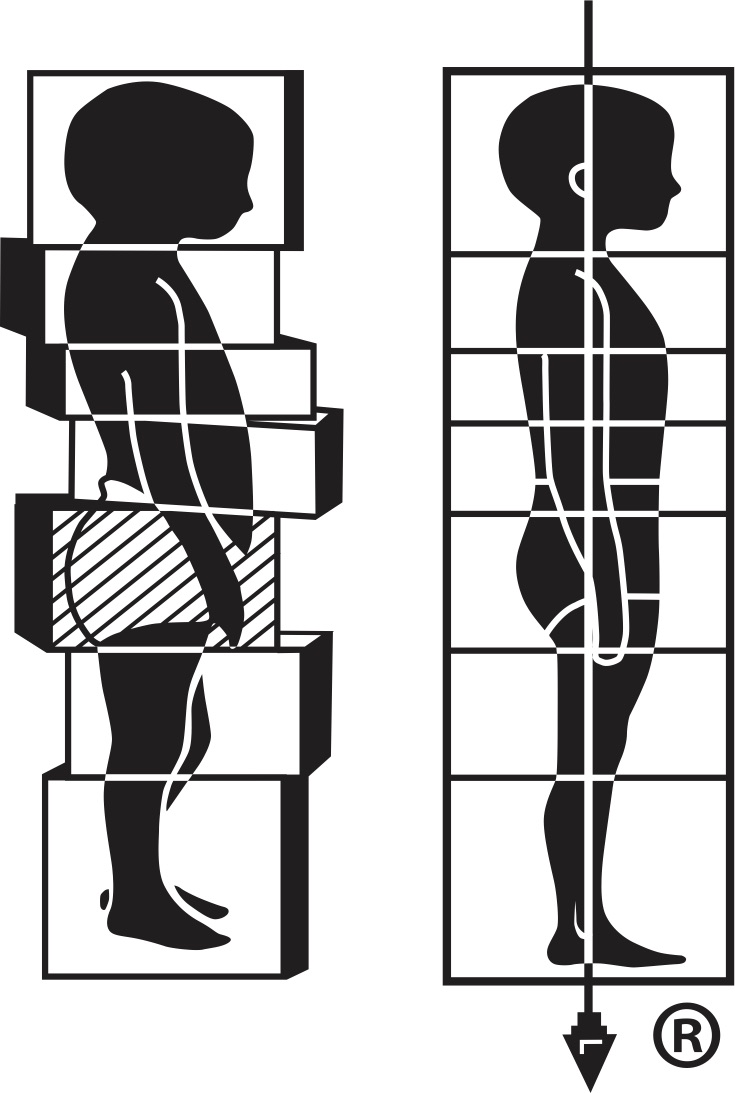
Rolfing, developed by Dr. Ida Rolf, is a hands-on therapy that manipulates the body’s connective tissues (fascia) to release tension, realign posture, and restore natural movement patterns. It typically involves a series of sessions (often 10) that address the entire body systematically, aiming to bring it into better balance with gravity.
Deepening Your Yoga Practice with Rolfing
Improved Alignment and Posture
Rolfing reorganizes the fascia to correct imbalances—like slouched shoulders or a tilted pelvis—that may have developed from habits, injuries, or stress. In yoga, proper alignment is crucial for executing poses safely and effectively. With a more balanced structure, you can hold asanas (poses) with greater ease and precision, reducing strain and enhancing stability.
Increased Flexibility and Range of Motion
Tight fascia can restrict movement, making certain yoga poses—like deep backbends or hip openers—challenging. Rolfing releases these restrictions, lengthening the fascia and freeing up joints and muscles. As a result, you might find poses like Downward Dog or Pigeon feel more spacious and accessible, allowing you to explore deeper expressions of each posture.
Enhanced Body Awareness
Rolfing heightens your proprioception (awareness of your body in space), which is invaluable in yoga. As you become more attuned to subtle sensations and alignment cues, you can refine your practice, noticing where you hold tension or compensate unnecessarily. This mindfulness translates into a more intentional and meditative flow on the mat.
Release of Chronic Tension
Many yogis carry stress or old injuries in their bodies, which can limit progress. Rolfing targets these deep-seated patterns, unwinding physical and emotional blockages. For example, releasing tension in the chest and shoulders can make breathing in pranayama (breathwork) fuller and more effortless, amplifying yoga’s calming effects.
Better Energy Flow
Both Rolfing and yoga emphasize the free flow of energy—whether you call it prana, chi, or vitality. By aligning the body and removing fascial restrictions, Rolfing can enhance the energetic benefits of yoga, leaving you feeling more grounded and open during and after practice. Think of how much better water flows through a straight hose vs one that is all crinkled up.
What does it look like in real life?
Imagine struggling with tightness in Warrior II—your hips feel locked, and your stance wobbles. After a few Rolfing sessions focusing on the pelvis and legs, that tightness eases. Suddenly, your hips open more naturally, your stance feels rooted, and you can breathe deeply into the pose without forcing it. The physical shift deepens your focus and presence, turning a challenging asana into a meditative experience.
Why they compliment each other so well
Yoga and Rolfing share a holistic philosophy: both aim to integrate body, mind, and spirit. While yoga builds strength, flexibility, and awareness through movement and breath, Rolfing provides a structural foundation that amplifies those efforts. Think of Rolfing as “tuning” your instrument (the body) so your yoga practice can play a richer, more harmonious tune.
If you’re a yogi looking to break through plateaus or simply feel more at home in your body, Rolfing could be a game-changer.
Paige Dayvis is a Licensed Ecclesiastical Holistic Practitioner at Center of Integration located at 21754 State Rd 54 Suite 102 Studio A, Lutz, FL 33549. Send us a message today using the form below to see if holistic services with Paige can help you get back to doing the things you love.
Book your session now using the links below
Initial Visit 90 mins (First Time Clients)
These sessions are 90 minutes to allow for proper intake and a treatment.
90-Minute Treatment (Existing Clients)
These sessions are 90 minutes. This is the ideal length for those going through the initial experience.
60-Minute Treatment (Existing Clients)
These sessions are 60 minutes. Ideal for those who have done the initial experience and are looking for a tune up.
Questions?


PAIGE DAYVIS IS NOT A MEDICAL DOCTOR. PAIGE DAYVIS DOES NOT OFFER MEDICAL ADVICE OR TREATMENT. THIS IS A MANUAL THERAPY ONLY.
 Get back to doing the things you love