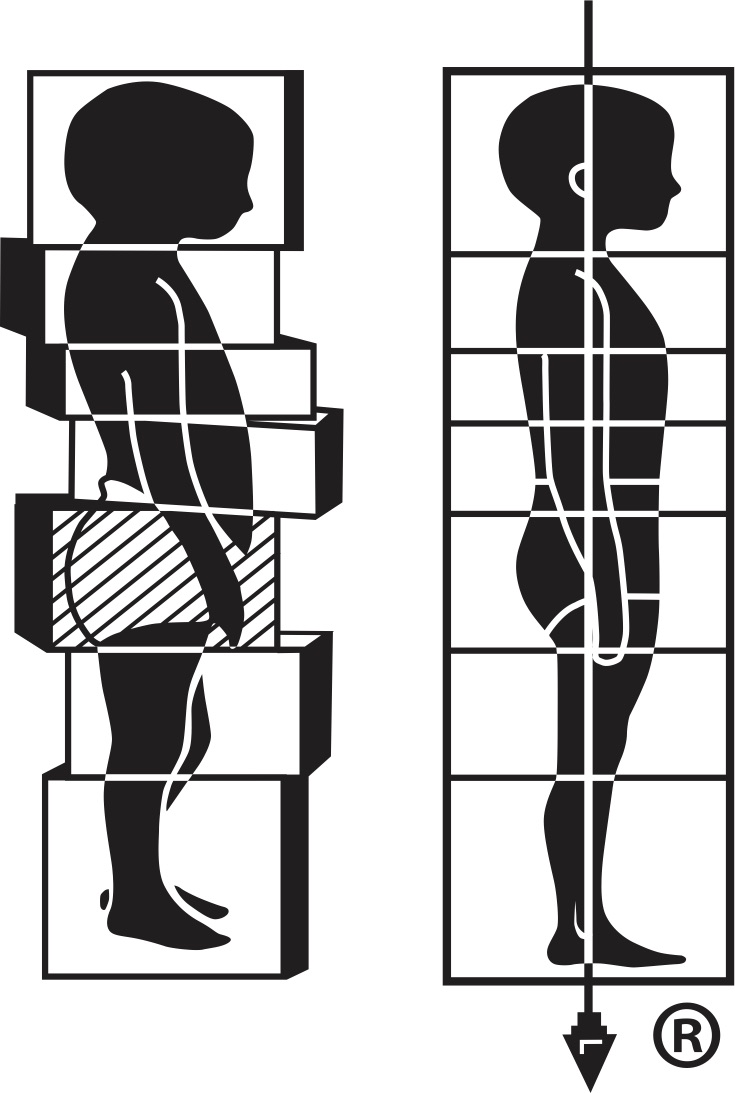
Rolfing, also known as Structural Integration, is a form of deep tissue manipulation that aims to reorganize the connective tissue (fascia) to improve posture, alignment, and movement. It focuses on the body’s structural integrity and the way it moves in space. While Rolfing can have benefits for various conditions, here are the top 5 things Rolfing can address
1) Chronic Pain and Tension Rolfing can be effective in alleviating chronic pain, especially in areas affected by poor posture, repetitive strain, or misalignment.
This includes:
- Neck and shoulder pain
- Back pain (upper and lower)
- Joint pain (e.g., hips, knees, elbows)
- Headaches and migraines.
By targeting the fascia, Rolfing helps to release tension and adhesions, which can reduce discomfort and promote more efficient movement.
2) Postural Imbalances One of the primary goals of Rolfing is to improve posture. It addresses imbalances caused by prolonged sitting, improper ergonomics, or muscle compensation patterns.
This can help correct:
- Slouching or rounded shoulder
- Forward head posture
- Pelvic misalignment (e.g., anterior or posterior tilt)
By improving alignment, Rolfing promotes better posture, reducing strain on muscles and joints.
3) Sports Injuries and Performance Issues Rolfing is often used by athletes to improve flexibility, increase range of motion, and enhance performance.
It helps to:
- Speed up recovery from sports injuries
- Improve movement efficiency (e.g., running, swimming, cycling)
- Address muscle imbalances that can lead to overuse injuries
By working on the fascia and connective tissue, Rolfing can improve the body’s ability to absorb and distribute force, reducing the risk of injury.
4) Stress and Emotional Tension Physical tension and stress can accumulate in the body, particularly in the neck, shoulders, and jaw. Rolfing can help release this tension, promoting relaxation and mental well-being.
It can also help with:
- Stress-induced muscle tightness
- Breathing issues related to chest and diaphragm tension
- Emotional blockages that manifest physically
The process can lead to a deep sense of relaxation and improved emotional balance, which is often a side benefit of physical work.
5) Post-Surgical Rehabilitation Rolfing can be helpful in the rehabilitation process following surgery, especially if the surgery affected soft tissues (muscles, fascia, etc.).
It helps by:
- Improving mobility and flexibility around scar tissue
- Reducing adhesions that form during the healing process
- Restoring proper movement patterns after injury or surgery
For example, Rolfing may be used to improve the range of motion after joint replacements or tendon repairs.
While Rolfing can address a wide range of physical issues, it’s important to note that it’s typically most effective when combined with a holistic approach, including regular movement, exercise, and mindfulness practices. Always consult a healthcare provider to ensure it’s appropriate for your specific needs.
Schedule Your Appointment Below
Initial Visit 90 mins (First Time Clients)
These sessions are 90 minutes to allow for proper intake and a treatment.
90-Minute Treatment (Existing Clients)
These sessions are 90 minutes. This is the ideal length for those going through the initial experience.
60-Minute Treatment (Existing Clients)
These sessions are 60 minutes. Ideal for those who have done the initial experience and are looking for a tune up.

