“Is Rolfing like a deep massage? Is it like seeing a chiropractor?” I hear these questions often. The short answer: all three are hands-on, and all three can help you feel better. But each one focuses on something different, and they work best as teammates, not rivals.
Here is a simple guide to how they compare, what each does best, and how to choose.
At a glance
| Massage | Chiropractic | Rolfing® Structural Integration | |
|---|---|---|---|
| Main focus | Muscles | Joints and spine | Fascia and whole-body alignment |
| Goal | Relaxation, relief of muscle tension | Joint motion and spinal function | Balance, ease and better organization in gravity |
| How it works | Kneading, gliding and pressure on muscles | Adjustments and joint mobilization | Slow, precise work on connective tissue, plus movement education |
| A typical visit | Lying down, mostly passive | Short visit, quick adjustments | Standing and walking assessment, hands-on work, active participation |
| Typical rhythm | Ongoing, as needed | Often a series, then maintenance | The classic 10-Series or single sessions, then occasional tune-ups |
Every practitioner works a little differently, so think of this as a general picture rather than a rule.
Massage: relief for tired muscles
Massage works mainly with your muscles. A massage therapist uses strokes and pressure to ease tension, improve circulation and help your nervous system settle. Most people leave feeling relaxed and lighter.
Massage is wonderful for stress, general soreness and recovery. Because it works mostly with how your muscles feel today, many people come back regularly to keep that relief going.
Chiropractic: care for joints and the spine
Chiropractors focus on your joints, especially the spine. They assess how your joints move and use adjustments and other techniques to restore motion where it is restricted. Chiropractors are also licensed to diagnose, and many order imaging when needed.
Chiropractic care is a common choice for back and neck pain, joint stiffness and injuries. Visits are often quick and focused on a specific area.
Rolfing: organizing the whole body
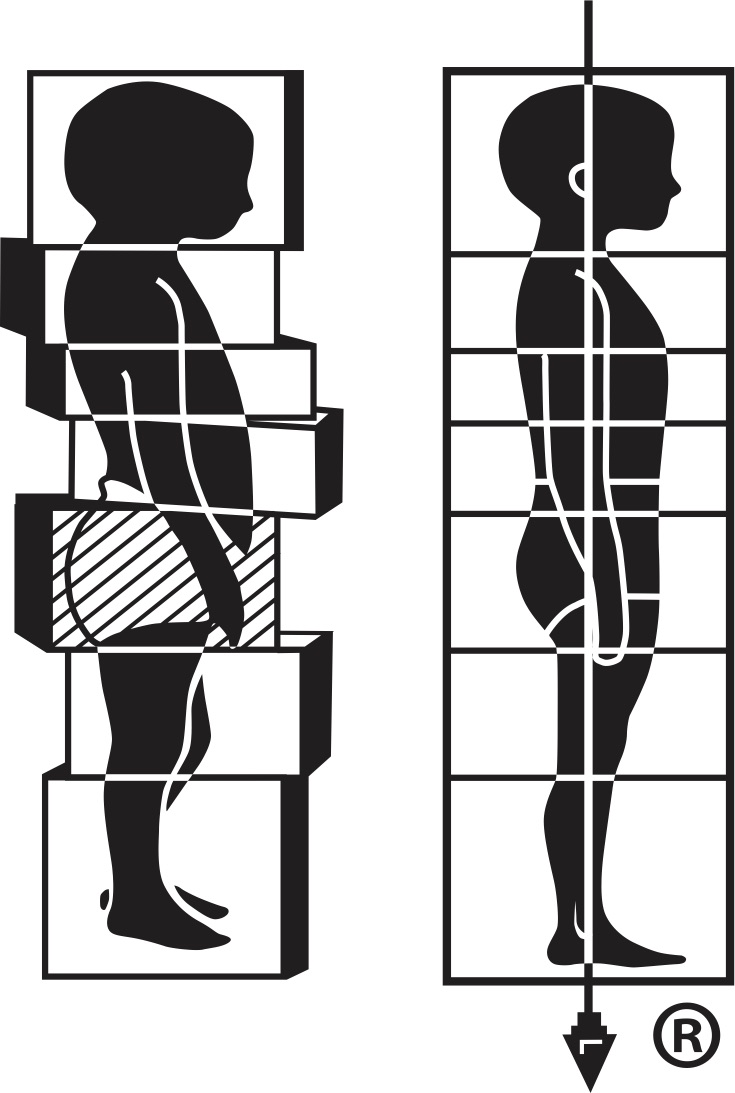
Rolfing® Structural Integration works with fascia, the connective tissue that wraps every muscle, bone and organ and gives your body its shape. Instead of chasing the spot that hurts, a Rolfer looks at how your whole body is organized in gravity.
A session usually starts with you standing and walking, so I can see your patterns. Then the hands-on work is slow and precise, and you take part: breathing, moving, noticing. The work also teaches new ways to sit, stand and move, so changes carry into daily life.
Rolfing is designed to build lasting change, not just short-term relief. Many people do the classic 10-Series, where each session builds on the last. Others come for single sessions focused on a specific concern.
Better together
These approaches support each other. Many of my clients also see a chiropractor or massage therapist, and some come to me through those providers. A body with freer, better-organized connective tissue often holds an adjustment longer and enjoys a massage more.
A simple way to think about it:
- Want to relax and ease sore muscles? Massage is a great fit.
- Have joint or spine concerns that need assessment? Start with a chiropractor or your doctor.
- Keep coming back to the same tension or pattern? Rolfing looks at the whole body to find out why.
Not sure where to start? Ask me. I’m happy to talk through what you’re feeling and point you in the right direction, even if that’s someone down the hall.
Paige Dayvis, Certified Rolfer™, LMT MA110456, Center of Integration, Lutz, FL. Call or text 656-257-5927, or book at paigetherolfer.com.

