
“Stand up straight.” Most of us heard it as kids, and most of us still try. We pull our shoulders back, lift our chest, tuck our chin. It lasts about thirty seconds. Then we forget, and slump right back.
That isn’t a failure of willpower. It’s a sign that we’ve misunderstood what posture is. Good posture isn’t a position you force your body into. It’s something your body finds when it’s well supported.
The problem with holding
When you “hold” good posture, you’re using muscles to brace yourself into a shape. Try it now: pull your shoulders back hard. Notice your breath get shallower and your neck tighten? That’s effort, and effort tires out.
Bracing also doesn’t change why you slumped in the first place. If your body is organized around a habit, like years at a desk or favoring an old injury, your tissue holds that pattern. The moment your attention drifts, your body returns to what it knows.
So the goal isn’t to try harder. It’s to need less trying.
Posture is a relationship
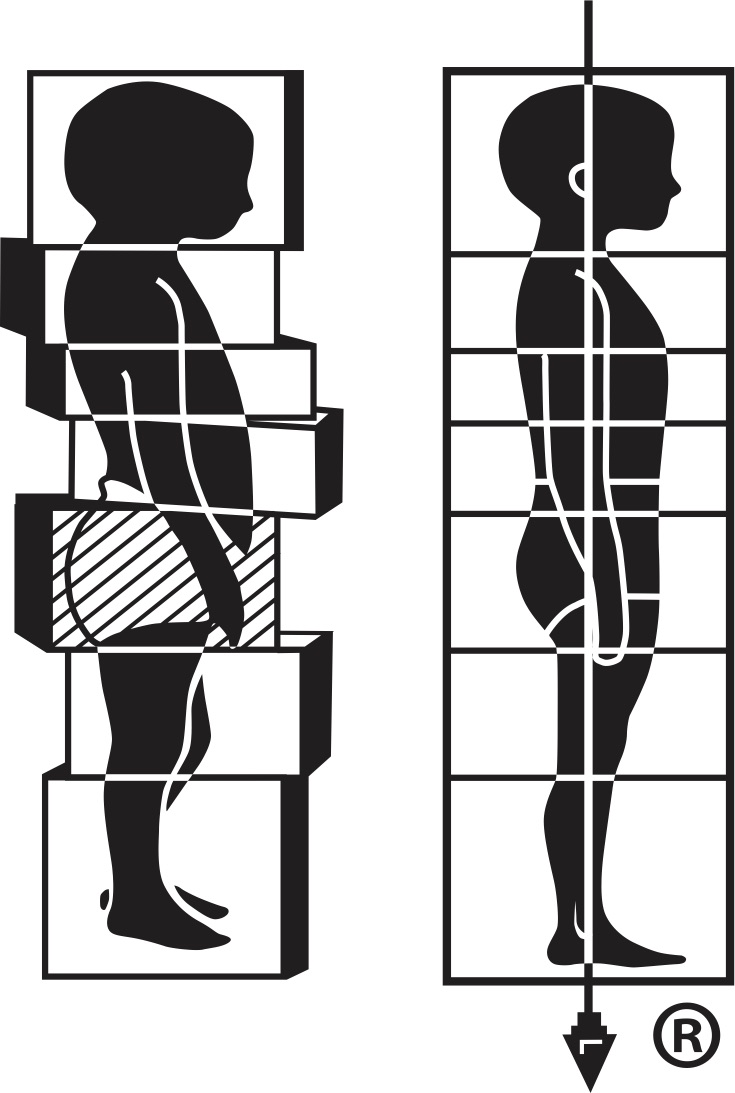
In Rolfing® Structural Integration, we think of posture as a relationship, not a shape. It’s how your body relates to two things at once: the ground beneath you and the space around you.
When your feet truly sense the ground, your body has something to push up from. When you’re aware of the space above and around you, your body has somewhere to grow into. Between those two, gravity stops pressing you down and starts to support you.
This idea comes from Rolf Movement® teachers, who noticed something simple. When people sense the ground and space, they often get taller and freer without trying. The body organizes itself.
Your best posture is your next one
There is no single perfect posture to hold all day. Bodies are built to move. Even “good” posture becomes a strain if you stay frozen in it for hours.
A healthier goal is variety. Shift your weight. Change how you sit. Stand up, walk to the window, look far away. Each change gives different tissues a break and a chance to work.
So instead of asking “Am I sitting correctly?”, try asking “When did I last move?”
Try it: find, don’t fix
This takes about 30 seconds, standing or sitting. Don’t correct anything. Just notice.
- Feel your support. Notice your feet on the floor, or your sit bones on the chair. Let your weight settle into them.
- Sense the space around you. Notice the room behind you, not just in front. Let your ears listen wide.
- Let your head float. Sense the space above your head. Let your head rise toward it, without pulling your chin back.
- Breathe wide. Let your breath fill the back and sides of your ribs.
Many people notice they’ve grown a little taller and their shoulders have dropped, without trying. That’s posture found, not forced.
Where Rolfing fits
Sometimes the body can’t find ease on its own. Years of habits, injuries or stress can leave the connective tissue holding an old pattern. You can sense the ground all you like, but tight tissue keeps pulling you back.
That’s where Rolfing helps. Hands-on work frees the tissue that’s holding the old shape, and movement education helps your body learn a new, easier way to stand and move. The result isn’t a posture you have to remember. It’s a body that’s more comfortable being upright.
Good posture, in the end, isn’t something you hold. It’s how it feels to be at home in your body.
Paige Dayvis, Certified Rolfer™, LMT MA110456, Center of Integration, Lutz, FL. Call or text 656-257-5927, or book at paigetherolfer.com.
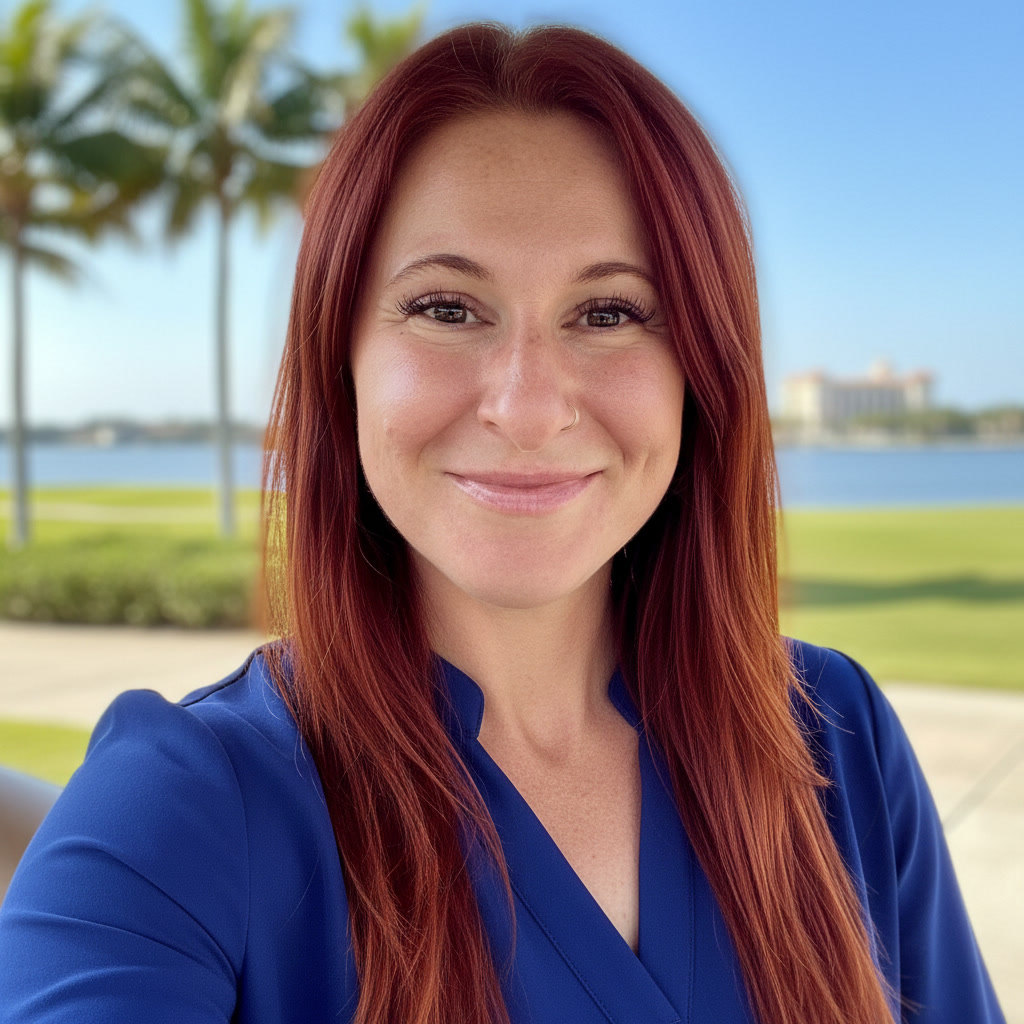
Paige Dayvis is a Licensed Massage Therapist at Center of Integration, She is a Certified Rolfer and Rolf Movement Practitioner.
Send us a message today using the form below to see if Rolfing with Paige can help you get back to doing the things you love.
Book your session now using the links below
Initial Visit 90 mins (First Time Clients)
These sessions are 90 minutes to allow for proper intake and a treatment.
90-Minute Treatment (Existing Clients)
These sessions are 90 minutes. This is the ideal length for those going through the initial experience.
60-Minute Treatment (Existing Clients)
These sessions are 60 minutes. Ideal for those who have done the initial experience and are looking for a tune up.
Questions?


PAIGE DAYVIS IS NOT A MEDICAL DOCTOR. SHE HOLDS A DOCTORAL LEVEL OF EDUCATION IN MANUAL OSTEOPATHIC WORK AND NAPRAPATHY. PAIGE DAYVIS DOES NOT OFFER MEDICAL ADVICE OR TREATMENT.

